
Spring Break 2025 Must-Haves
Spring break on a tropical island surrounded by piña coladas and UV 10 is just what I think we all need right now. Every year around this time, I curate my own personal shopping bag that I can never actually press order on, but a girl can dream! This year I thought it would be exciting to share a peek inside of my ultimate wishlist of chic, over-the-top, and completely aspirational spring break essentials, so that maybe some of you can get in on the fun and wear these pieces on your trips.


Starting with a travel outfit, I am absolutely in love with the Reformation Olina Linen Cropped Pant. A crisp linen pant is so chic, especially when paired with this Chloé Graphic Tee from Net-A-Porter, and the Sézane Tilda Sandals. This is the perfect transition outfit from plane to resort — clean, comfortable, and so polished.


If you know me, you know that a bikini is practically my second skin. I was born and raised in a beach town where a swimsuit is the unofficial dress code. This year I cannot get enough of the barely-there bikini, like the Emily Bikini from Gimaguas, which has the perfect mix of a sleek cut and eye-catching appliqués that elevate the whole look.
Nothing beats a simple, high-quality swimsuit that gives you that effortless, just spent a week roasting tan. At the very top of my wishlist? The September Top and Playa Botton from Indah Swim. This set is minimalist, flattering, and exactly what I’d wear if I were living my best life somewhere in the Mediterranean.
For accessories I am going for these Miu Miu sunglasses that I can confirm are some of the most timeless and universally flattering pair of sunnies I have ever seen. Paired with this insane coverup from iLE AiYE Bespoke Knitwear. This women-owned brand is all about slow fashion, drawing inspiration from the holistic beauty of Ibiza. Plus, the cotton and alpaca wool used in these dreamy pieces are ethically sourced and sustainable, so you can look incredible and feel good about it.


For a daytime look or more causal dinner out, I pulled a few independent items that can be styled so many ways. First up: the City Mini Dress from Gimaguas once again. The v-neck and cinched waist combo create the perfect effortless silhouette, making it one of those pieces that just falls perfectly without even trying. It’s the kind of dress that works for anything, dressed up or down.
A sculptural top, like the Radha Top from Cult Gaia, is the best statement piece paired with a mini skirt, tailored trouser and flat. It’s bold, architectural, and guaranteed to turn heads. For the perfect balance of structure and softness, I’d pair it with the Double Love Knit Mini Skirt from Tank Air. The details on the skirt are so subtle, but the color and style complement the intensity of the top quite nicely. To tie everything together, I would add this Sézane Basket Tote that will be in their next Spring drop.
Last, but certainly not least, is perhaps the most controversial shoe of the season: the boat shoe. Personally, I am here for the Miu Miu Boat Shoe. This pair takes the preppy staple and gives it a fresh, fashion-forward twist, proving that with the right design, even the most divisive trends can feel undeniably chic.


Warm nights, ocean breezes, and candlelit dinners call for something a little extra. I adore a dress that feels just as dreamy as the destination itself. Think flowing silhouettes, lightweight fabrics, and just the right amount of shimmer to catch the golden-hour glow.
The first dress is the Hoda Maxi Dress by AFRM. The lightweight fabric makes it perfect for balmy tropical nights, while the sheer detailing adds just the right amount of allure for a vacation dinner under the stars. It’s the kind of dress that looks equally stunning with strappy sandals or barefoot in the sand.
The Aditi Gown, from Cult Gaia is the moment. With cascading ribbons that move with the breeze, this piece was practically made for golden-hour photos that will leave everyone asking, Where did you get that? Flowing, sculptural, and effortlessly dramatic, this is the gown to wear when you want to turn heads without even trying.
I saw the third dress on one of my favorite people ever, Maggie MacDonald, in her recent spring break trip video and I gasped. The Antheia Dress from Rat and Boa combines a feminine and masculine style that creates the hottest understated effect. The back is so unique, with a single strap that frames your figure so nicely.
Finally, the shoe of choice is quite simple for me. The Leena Flat from Cult Gaia is a recent addition to my wishlist, but it might just be one of my favorite pieces yet. Elegant, minimal, and effortlessly chic, this pair is designed to elongate the legs while complementing any dress without overpowering the look. Less is truly more here.
And there you have it — my ultimate, slightly delusional, but undeniably fabulous spring break wishlist. Whether you’re jetting off to a tropical paradise or just manifesting warmer days ahead, these pieces are all about effortless elegance, vacation-worthy glamour, and sophistication.
From crisp linen travel sets to barely-there bikinis, statement-making evening gowns, and even the most controversial shoe of the season, these are the looks that would define my dream getaway.
If you do happen to snag any of these, just know I’ll be living vicariously through you. Until then, I’ll be here, patiently waiting for the next flight to the Maldives!
Xoxo,
Annie

Deconstructing Fashion, Crafting Illusions, and Redefining Reality: An Analysis of Maison Margiela’s Avant-Garde Designs
The language of fashion is constantly written and edited by the creative minds behind the art. Designers such as Martin Margiela combine their knowledge in the modern and formal concepts of art history and the clothing production process, to produce pieces of art that embody the power of the designer to challenge the conditions of the laws and language of fashion. Drawing inspiration from Cubist elements of collage and geometry, Margiela utilizes multi-perspectival elements to strategically trick the eye into seeing the larger narrative of his ability to craft illusions, challenge norms, and redefine the very essence of fashion. He deconstructs his clothing to further challenge the notion that the eye can perceive all, as if seams are coming undone, revealing inner layers or unexpected details.
This article will analyze three of Maison Margiela’s collections that harness the cubist construct of theatricality and unconventional storytelling, using trompe l’oeil in order to deconstruct clothing in a way that unveils the craft of design, and challenge traditional constructions of how framing emphasizes and rewrites traditional clothing narratives upon the boyd. In conversation with thinkers and artists such as Clement Greenberg and Robert Rauschenberg, I will undo the stitches that hide the meaning of Margiela’s artwork to reveal the power behind what initially meets the eye in avant-garde fashion.
Under the creative direction of Martin Margiela, Mason Margiela managed to deconstruct his pieces in a way that inverted the world of fashion by resetting traditional clothing norms. His initial attempt at the style of illusion debuted at the Maison Martin Margiela Spring 1996 show. This collection exemplifies Margiela's fascination with deconstruction. Garments appeared to be taken apart and then reconstructed in unconventional ways. Seams were exposed, linings were inverted, and clothing was left unfinished, challenging the traditional notion of a polished and refined appearance. The eyes of the Parisian audience were taught a new lesson of the power of trompe l’oeil in deception. In fashion, the term “more than meets the eye” gives power to the designer and poses a challenge to the viewer. It forces the audience to inquire about the reality before them, and allow a visual escape into the power of layering and collage. By using this craft, Margiela played with the idea of “[abandoning] sculptural function” in a way that does not deceive, but puzzles the eye (Greenberg). Clement Greenberg, a key figure in abstractionism discourse, explains collage as a way to break away from the traditional two-dimensional limitations of painting. If the tactile and sensory features of a work of art utilize the qualities of collage, the viewer will more likely engage with this artwork.

Vogue Runway, Maison Martin Margiela Spring 1996 Ready-To-Wear, 1996
In the 1996 collection, Margiela strategically reversed the construction of pieces, juxtaposing reality and fiction, and thereby fragmenting the viewer's expectations as the models walked down the runway. The designer incorporated chiaroscuro negatives of photographs of clothes on fluid materials. Fixed loosely onto the supporting material, these photographs were difficult to distinguish from their true-form counterparts. When combined with conventional framing, the collection creates a play between illusion and reality. Models adorned loosely draped layers, blurring the boundaries between stitched, painted, and real elements. Margiela's intent went beyond focusing on individual models or complete looks; instead, he directed attention to his mastery of contrasting light and dark as "cadences of design” (Greenberg). This deliberate focus on the interplay of elements like deconstruction and layering, aimed to provoke questions about the three-dimensional qualities that Greenberg claims create a dynamic visual rhythm that enhance the viewers perception of the depth, form, and texture of the collection.
It is also important to note the rhetoric that Margiela created through these elements. The show must be broken down into two elements: the pieces themselves and the models as representative figures. As previously described, the distorted proportions, flirtation of light and dark, deconstructed stitching, and strategic layering established a tone of mastery in the art of avant garde collage and modern illusion. However, the models adorning the clothing further aid in the understanding of fiction and reality. By veiling the faces of the models, Margiela committed to allowing the body to be the blank canvas for interpretation and reversal of fashion’s cult of personality. It evokes Neo-Dada elements of deconstruction for the purpose of making the frame visible. Artists such as Robert Rauschenberg harness like acts of erasure to create something new by destroying what was once there. It manipulates expectations to surprise reality. Margiela, used the body as another fabric, and used absence as effective a design choice to properly distort how the rhetoric of the image on the models –composition, framing, and content – can be seen as persuasive strategies, aiming to influence the viewer's interpretation. The eye is tricked just enough to properly challenge the traditional expectations of art, and emphasize Margiela’s creative mastery in the layering of the elemental choices – an ode to collage itself.
Another collection for discussion followed shortly as Margiela quickly grew in popularity as a creative mastermind. Martin Margiela revealed an even clearer understanding for collage and craft in his Autumn/Winter 1997 collection. Rarely does one see an artist or designer desire to harness the element of two-dimensionality over volume and depth. However, Maison Margiela strategically paired two dimensional materials and proportions on a three dimensional frame in an attempt to produce an element of illusion. The collection once again deconstructed and reworked materials onto a crafted background in an unfinished manner. What made this collection special was the use of “new versions of the previous season’s dressmaker-form tops” (Borrelli-Persson). The dressmaker-form tops used the frame of a typical linen mannequin, and transferred it onto the human body to humbly connect the craft with the finished product. Similar to the dressmaker mannequins, the words “Semi-Couture” are printed onto the textile to note the transparency in the crafting process. In Roland Barthes’s, Rhetoric of the Image, he identifies four key image messages conveyed through rhetoric. In this collection Margiela utilizes the linguistic message of the piece through the printing of this message, which “[constitutes] a kind of vice which holds the connoted meaning from proliferating, whether towards excessively individual regions or towards dysphoric values”(Barthes et al.). Margiela’s use of the printed layer on the pieces acts as a controlling device that prevents the interpretation of the collection from becoming too individualized or negative. Again, this returns viewers back to the idea that through the power of linguistic rhetoric as a layer of collage on Mariegla’s designs, the element of relay combines the images on the runway in order to convey a more complex message than words on a bustier. Here, fashion is presented as a form of performance art, akin to the avant-garde spirit of Cubism.

Vogue Runway, Martin Margiela Fall 1997 Ready-To-Wear, 1997
The materials used in this collection as two dimensional elements are important to note for their roles in the idea of deconstruction. From “pattern paper”, “visible basting stitches”, “plastic bags” and “pliable metal”, Margiela managed to take apart the idea of what clothing is and play with the memoirs of the design process (Borrelli-Persson). Specifically, he displayed a piece which layered the blueprint patterns of the original dressmaker-form top onto the finished product itself. As previously noted, the base layer of the design holds power in its ability to speak on the craft process and origins of the collection itself. By adding the unexpected layer of the pattern, Margiela again denotes the crafting process, but also employs trompe l’oeil through collage. The audience is challenged to watch the patterns, raw and asymmetrically pinned together, move down the runway and lay flat on a three dimensional body, and “thrust into real life” (Greenberg). The model becomes the frame for a moving symbol of Margiela’s design process of deconstruction – painted, pinned, and constructed on. Even the illusion of the embroidered pins for the act of fastening challenges the idea of the act of construction, and the eye is decided into seeing a seemingly three dimensional figure that is actually flat. Without each layer and element, including the model, working cohesively, the piece would in fact lay flat. Further, Margiela chose to only overlay these two dimensional fabrics onto certain sides of the ensemble. By disrupting the harmony of the finished product, the layers provide asymmetry that challenges the geometry of a stereotypically finished garment. It is interesting to picture that a designer would purposely choose to leave the pieces layers, tattering, and unfinished and call them couture; but it is the genius of Margiela. It frames the collection in such a way that invites the viewer to question what in the world of fashion is truly real, or just an illusion of the mind.
Maison Margiela further deconstructed and pioneered the cult-classic Tabi shoe from his perspective, illustrating the idea that taking apart old ideas to establish an improved form is how fashion remains ever changing. The Tabi shoe can be traced back to fifteenth century Japan as a way to promote holistic healing through the mechanical separation of the first two toes. Margiela’s 1998 collection of Tabies were created to compare the qualities of the human body to those of clothing. The Tabi is designed with an uncanny resemblance to the shape of a human foot. Yet upon closer inspection, one element calls for inspection and interpretation: the toes. Resembling a hoove, the shoe has an animalistic quality that raises questions of ambiguity and bridges the gap between strange and beautiful – the incarnation of the word bizarre. What is important to note is that this unusual design is plastered upon a seemingly blank canvas of the foot. It almost erases the idea of a human foot and blurs the lines between the body and the utilitarian functions of a shoe. In terms of collage, it pieces together human and animalistic qualities in a geometrical way – the unconventional, angular, split toe design – to parallel the breaking down and reassembling of traditional collage elements. Once again, Margiela utilizes trompe l'oeil to “deceive the eye” into a double-take of the multi-perspectival elements which comprise this shoe. Is it a foot? Is it a shoe? Is it human or animal? The viewer's gaze through each layer of the shoe is then followed by understanding, which Roland Barthes’s claims is the purpose of the analogical message: the shoe is associated with both a foot and a hoove through resemblance. This returns back to the idea of the theatrical nature of avant-garde fashion that can be identified through every artistic disciple – from cubism to surrealism. Why stick to traditional methods of representation when the mind is capable of producing a deeper understanding of the world around it once it is challenged?

Tatsuya Kitimaya, Lasts for the tabi boots, 1991
Epitomized in Maison Margiela’s Spring Runway 1996, Autumn/Winter Runway 1997, and Tabi Shoe collections, the paradigm shift from the expectation of ready-made and couture clothing as conventional, to the idea that clothing is a canvas for artistic expression and deliberate conversation is made evident as the product of artistic inspiration. What made Martin Margiela so influential during his time as Creative Director was his ability to reinterpret classic garments, and breathe life into a dying language of fashion. The designer’s commitment to the unexpected qualities of trompe l’oeil, deconstruction, and the manipulation of visual elements for the purpose of reframing the narrative of fashion originated in Martin Margiela’s desire to deconstruct the stagnant of the language of fashion, and allow room for further discussion on societal, cultural, and temporal topics. Ideas such as the meaning of layers of linguistic and analogical rhetoric, the erasing of the original image inside of the frame, and the informal use of the human body using formal elements are only a few of the pieces that Martin Margiela has left as part of his lexicon of fashion. To become arguably the most influential wearable artist means to have the power to take inspiration, dissect it, and produce something even more influential in its place.
Xoxo,
Annie

NYFW 2025 Live (ish) Updates
As the industry’s biggest names set the tone for the seasons ahead, New York Fashion Week 2025 is more than just a showcase of clothing. This year is a theater of reinvention. Beneath the glamour, here’s what’s really happening:
The Anti-Trend Movement
While fast fashion continues to chase micro-trends, many designers are doing the opposite. We have seen a large increase of designers leaning into timeless collections that reject seasonality. Brands like The Row and Khaite have stripped back embellishments, focusing on impeccable tailoring, heirloom craftsmanship, and fabrics that age like fine wine.
Runway Moments:
Khaite’s opening show was a love letter to 1980s New York minimalism, with barely-there makeup and silhouettes so fluid they felt sculptural.
Thom Browne’s shock moment? A completely monochrome, print-free collection—unexpected for a designer known for whimsical detail.
The After-Party Scene
Saks Fifth Avenue NYFW Kickoff Party:
Saks hosted its annual pre-NYFW event at the newly opened Crane Club Restaurant in Chelsea. The evening featured a surprise performance by Caroline Polachek. Notable attendees included Laura Harrier, Thomas Doherty, and Alex Consani.
Jimmy Choo Spring 2025 Campaign Celebration:
Jimmy Choo, in collaboration with Chloë Sevigny, celebrated its Spring 2025 campaign at Jean's in New York City. The intimate dinner featured a special performance by Patti Smith and attracted guests such as Jack Harlow, Jemima Kirke, Cole Sprouse, Lisa Rinna, and Amanda Lepore. The evening concluded with a DJ set by The Dare.
The It Bag Nobody Expected
After years of oversized, pillow-like totes, designers are shrinking the silhouette again. The hottest bag from NYFW? A vintage-style, ultra-mini clutch, spotted on the runways of Altuzarra, Carolina Herrera, and Brandon Maxwell.
Notable Collection: Ulla Johnson
Ulla Johnson’s Fall 2025 Ready-to-Wear collection was a study in quiet confidence. Heritage craftsmanship met a modern edge. Against an 8-foot sculpted poppy installation (a collaboration with French sculptor Julie Haminsky), Johnson wove a narrative of ephemerality and strength.
Rich ochres, midnight blues, and marigold florals gave the collection a lived-in warmth, while layered silks, structured jacquard coats, and handcrafted knits balanced delicacy with architecture. Gold-plated poppy belts and sculptural floral jewelry added an almost mystical touch. It was Ulla at her best.
Final Thoughts
This season so far is about a cultural reset. Designers are seeking inspiration in pre-digital craftsmanship, nature, and emotion-driven storytelling. The most unforgettable moments weren’t the loudest – they were the ones that felt intimate, handmade, and deeply human.
Xoxo,
Annie

Community Outreach: Pickle’s LA Fire Support Initiative
In the wake of devastating fires that have displaced countless families in Los Angeles, Pickle, a peer-to-peer fashion rental app, has stepped up in an extraordinary way, demonstrating the power of community and compassion. This week, I had the privilege of volunteering at their clothing care package curation event, and it was an experience that left a significant mark on my heart.


Pickle’s mission to provide personalized care packages to those in need is nothing short of inspiring. Each bag is carefully curated based on the recipient’s specific requests, including their clothing sizes, preferences, and even unique needs like skincare and beauty items. As a volunteer, I was assigned to pack bags for individuals whose names and stories were provided. It was deeply moving to see their name and personal details—it made the entire process so much more intimate and meaningful. The event was not just about packing bags, but also about small gestures to help in restoring dignity and hope to people who have lost so much.

The Pickle team truly exemplifies excellence and kindness. Their event was impeccably organized, with every item clearly labeled by size and category. From coats and workout sets to beauty products, they thought of everything. The team was also incredibly supportive, always ready to guide volunteers and ensure every care package met the highest standard of thoughtfulness. Their passion and dedication were contagious, creating an environment where everyone felt connected to a common goal.
Meeting the Co-founder of Pickle was another highlight of the day. Julia O’Mara has a heart of gold and is a natural born leader. The vision for using fashion and community as tools for positive change was palpable, and they took the time to share the impact of the care packages with us. It’s rare to encounter leadership that is so hands-on and committed, and it reaffirmed my belief in the importance of companies actively engaging with the communities they serve.
One of the key takeaways from the event was the current need for specific donations. While Pickle has received an outpouring of support, there is an urgent need for men’s clothing and children’s clothing to ensure they can meet the diverse requests coming in from the community. If you have items to donate or can spread the word, now is the time to get involved and make a tangible difference.
This event was a powerful reminder of what can be achieved when people come together with a shared purpose. Pickle’s care package initiative is a testament to the strength of humanity and the role we all play in uplifting those around us. If you’re in the LA area, consider donating or volunteering with Pickle. Every contribution, big or small, has the potential to change someone’s life. Sending love and prayers.
Xoxo,
Annie

What’s Next for Sustainable Fashion?: The Instatement of the 119th Congress
From Capitol Hill to your closet, change is in the air—and it’s looking pretty green.
As the 119th Congress kicks off, potential environmental policies could significantly impact the fashion industry's sustainability efforts. Here’s a quick look at how federal action might reshape the future of fashion:
The 119th Congress is expected to prioritize waste management reform, with a focus on reducing the millions of tons of textiles that end up in U.S. landfills every year. One potential policy under discussion is the introduction of federal standards requiring textile recycling programs.
Among the measures being considered are Extended Producer Responsibility policies, which would hold brands accountable for the full lifecycle of their products—from design to disposal.
For many brands, this would mean a significant shift in how they operate. Companies would need to consider the recyclability and durability of their garments at the design stage, ensuring products can be easily repaired, repurposed, or recycled. Moreover, EPR policies could mandate that brands take back their products after consumers no longer need them, providing options for repair, recycling, or resale.
Brands like H&M and Zara, with high turnover rates in their production cycles, will be forced to rethink their entire production models. Others like Eileen Fisher, with its Renew program for garment take-backs, could use its existing infrastructure to meet or exceed new federal standards, potentially influencing other mid-size brands to follow suit. For consumers, this might result in increased accessibility to textile drop-off points and incentives for recycling worn clothing.
What else? A bipartisan push for eco-friendly innovation includes the possibility of tax breaks or federal grants for companies investing in sustainable technologies. For the fashion industry, this could translate to financial support for adopting renewable energy in production facilities, waterless dyeing processes, or sustainable material sourcing, such as organic cotton and recycled polyester. Smaller, independent fashion brands that often struggle with the costs of transitioning to sustainable practices could benefit greatly from such initiatives, leveling the playing field in the industry.
However, this is not a new conversation. We know that this is a continuous and grueling effort in and out of congress. The Americas Trade and Investment Act, for example, has already motivated sustainable fashion movements. These initiatives demonstrate a collaborative effort across party lines to address the environmental challenges posed by the fashion industry, indicating a shared recognition of the need for sustainable reform.
But the stakes have never been higher. With the 119th Congress placing a sharper focus on waste management, recycling programs, and accountability, we’re seeing the beginning of what could be a legislative makeover for the fashion world.
Xoxo,
Annie

Annie’s Step-by-Step Guide to Understanding Leather
Vogue Business
There’s something about leather. It is a material that has long held a place in the fashion hall of fame. But here’s the twist: the future of leather doesn’t come from cows—it comes from pineapples, mushrooms, and even recycled scraps. Yes, you heard that right.
Leather is chic, it’s durable, and warm. Its versatility and ability to age beautifully make it a staple in fashion and function. We do not need to give it up; not fully, at least. So I have decided to write a step-by-step guide to leather for all of my favorite readers.
Step 1: Understand the Impact of Traditional Leather
Environmental Impact: Learn how leather production contributes to deforestation, water pollution, and greenhouse gas emissions.
The leather industry is a leading cause of deforestation. This practice destroys habitats, contributes to the loss of biodiversity, and reduces carbon sinks, exacerbating climate change (Greenpeace, "The Slaughtering of the Amazon").
Tanning leather involves heavy use of toxic chemicals, such as chromium, which frequently contaminates local waterways. A report by the United Nations Industrial Development Organization highlights the health risks of these chemicals to both workers and nearby communities.
Livestock farming for leather production emits significant amounts of methane, a greenhouse gas that is 25 times more potent than CO₂ in its warming potential. According to the Food and Agriculture Organization, the livestock sector accounts for approximately 14.5% of global greenhouse gas emissions.
Ethical Concerns: Research the ethical issues associated with animal-derived materials.
Over 290 million cows are slaughtered annually to meet the global demand for leather, according to data from the Leather Working Group. The practices involved in raising and slaughtering these animals often face criticism for their inhumane treatment.
Many leather products are produced in regions with limited regulations regarding animal welfare, such as Southeast Asia and South America, where practices may not meet international ethical standards. (PETA, "Leather: Animals Abused and Killed for Their Skins")
Cultural and Luxury Appeal: Recognize the cultural and luxury status that has historically made leather a staple.
Leather has been revered for centuries as a durable and luxurious material, from its use in medieval armor to its role in modern haute couture. Its association with status and craftsmanship has made it a symbol of quality and longevity.
Its ability to age gracefully and develop a unique patina over time enhances its aesthetic appeal, making it highly valued in fashion and functional products alike. (Vogue, "Why Leather Never Goes Out of Style")
Step 2: Explore Sustainable Leather Alternatives
Sustainable alternatives to leather are paving the way for a more eco-friendly future. Piñatex, made from pineapple leaves, repurposes agricultural waste into a versatile material used for shoes, handbags, and furniture. Mycelium leather, from mushroom roots, is biodegradable, resource-efficient, and ideal for wallets, belts, and high-fashion items. Recycled leather extends the life cycle of leather scraps, reducing waste, while cactus leather, crafted from Nopal cactus leaves, offers a vegan-friendly and water-efficient option for accessories and interiors.
Despite these innovations, challenges remain. Traditional leather’s unparalleled durability and luxury appeal can be difficult to replicate, and sustainable alternatives often come with higher costs due to limited production scales. However, these materials represent an evolving landscape that prioritizes ethical and environmental considerations without sacrificing style.
Step 3: Make Conscious Choices
Look for brands that disclose material sources and certifications.
Stella McCartney: A pioneer in sustainable luxury, Stella McCartney offers vegan leather options and is transparent about sourcing materials like Mylo, a mushroom-based leather alternative.
Veja: Known for its eco-friendly sneakers, Veja uses leather from farms that meet stringent environmental and animal welfare standards, along with vegan alternatives.
Patagonia: This outdoor brand emphasizes ethical sourcing and uses recycled leather in some of its products, ensuring transparency in its supply chain.
Opt for secondhand leather or sustainable alternatives to reduce demand for new materials.
Care for and repair items to extend their lifespan and reduce environmental impact.
The field of sustainable leather is growing by the minute, with exciting developments like lab-grown leather and bioengineered textiles. Keeping up with these innovations and understanding how they integrate into the fashion industry will empower you to make more informed decisions.
Step 4: Advocate for Change
Share your knowledge about sustainable alternatives with your community.
Support brands and initiatives working toward ethical practices in fashion.
Use your purchasing power to promote sustainability.
Choosing sustainable materials isn’t just about reducing your footprint; it’s about rethinking the stories your wardrobe tells. By embracing alternatives and supporting responsible practices, you can be part of a movement that aligns fashion with the values of a greener world.
P.S. Happy New Year! My goal for 2025 is to have all the answers for your questions and comments. Please contact me with any questions or requests!
Xoxo,
Annie

From Atelier to A-List
The fashion industry is experiencing a notable shift as designers trade traditional runways for red carpets, signing with Hollywood talent agencies to amplify their reach. This shift is more than a simple partnership; it is positioning more designers as public figures and cultural influencers.
Historically, designers were celebrated for their work behind the scenes, letting their creations define their legacy. But in today’s celebrity-obsessed culture, having a dynamic personal brand is as crucial as the quality of the clothing itself. By aligning with Hollywood agencies, designers gain access to unparalleled media exposure, high-profile collaborations, and opportunities to craft a public persona that resonates with global audiences.
This evolution in the fashion business model reflects not the creation of personality-driven brands, which have always existed, but a new level of access and visibility facilitated by collaborations with Hollywood talent agencies. Designers like Donatella Versace and Daniel Roseberry of Schiaparelli have long personified their brands, using their identity and creative vision as a core element of their success. What’s changing now is the scale and medium through which designers can project this persona. Hollywood talent agencies are enabling designers to transcend the fashion world, positioning them as cultural influencers who operate across entertainment, media, and social spheres.
By signing with agencies such as UTA or CAA, designers gain access to opportunities traditionally reserved for actors and musicians, such as greater brand endorsements, film cameos, and global marketing deals. This expanded reach allows designers to amplify their personal narratives and engage with audiences in ways that were previously unattainable. The focus is no longer just on the runway or editorial features—it’s about leveraging Hollywood's platforms to intertwine designers’ stories into the fabric of pop culture.
When Jonathan Anderson, the genius behind Loewe and JW Anderson, signed with United Talent Agency, it was more than just a business move. By teaming up with UTA’s new fashion division, Anderson is stepping off the runway with one foot and onto the Hollywood stage, turning his brand into a lifestyle and his vision into a cultural statement. This isn’t just about selling clothes; it’s about selling a story. Anderson’s decision proves that today’s designers are tastemakers and influencers.
With their partnership with the CAA, one of Hollywood’s most renowned talent agencies, the Kering group gains direct access to Hollywood’s inner circle, opening doors to collaborations that could reshape how luxury brands engage with global audiences. This synergy has the potential to create a new era of brand visibility and cultural relevance. It further reinforces Kering’s leadership, and demonstrates its forward-thinking approach to staying ahead in an ever-evolving market.
As this business model continues to gain attention, it raises crucial questions about the future of the industry. Will it redefine what it means to succeed as a designer, or will it commodify the role to the point where artistry is secondary to marketability? The answers to these questions will aid in determining whether the marriage of craft and commerce enriches or diminishes the creative spirit at the heart of the industry.
Xoxo,
Annie

Sustainability Meets Policy: Lessons from My Internship with the Secretary of State of Romania
By now you know that my content and lifestyle revolves around advocating for sustainable fashion. I decided to take it a step further. I wanted to gain credibility and expertise in sustainability from where it all begins. My desire was to understand how policy is created, shaped, and ultimately trickles down to impact the fashion choices we make. This fall, I had the incredible opportunity to intern with the Romanian Secretary of State during a pivotal moment for the country, as Romania approached national elections and advanced its efforts toward OECD accession. It was a transformative experience, and I’m excited to share how this journey has shaped my perspective on sustainability—not just in fashion, but across industries.
One of my key contributions was working on a groundbreaking book focused on corporate governance. This project explored how transparency and sustainability can transform state-owned enterprises into drivers of economic growth and attract international investment. I learned how to translate complex policy concepts into actionable frameworks, an invaluable skill that I’ll carry forward in my career. While the content itself was policy-driven, it reinforced a lesson I often talk about here on the blog: sustainability is not just an ethical choice; it’s a strategy for resilience and growth. Whether in business or government, integrating sustainability is no longer optional—it’s essential.
I also developed my knowledge in financial policy, contributing to the transposition of EU cryptocurrency legislation into Romanian law. Working under tight deadlines, I navigated the complexities of emerging financial regulations while ensuring critical stakeholders were informed and engaged. This experience strengthened my ability to adapt to high-pressure environments and reinforced the importance of clear communication in public policy.
A personal highlight was contributing to sustainability initiatives, where I analyzed the environmental and social impacts of Romanian state-owned enterprises and proposed reforms to align them with OECD standards. Drawing on insights from sustainability practices in the U.S., I was able to offer a fresh perspective on creating equitable and sustainable solutions. This experience reaffirmed my belief that sustainability thrives at the intersection of innovation, ethics, and collaboration—whether we’re talking about running a fashion brand or restructuring public enterprises. The same principles apply across the board—it’s just a matter of adapting them to the challenge at hand.
This internship challenged me to think critically about how policies influence sustainable practices at a macro level. It also deepened my belief that change doesn’t happen without resilient communities and expertise—fashion, policy, and every other industry must work together to create a sustainable future.
As I take these lessons into the next chapter of my journey, I want to thank the Secretary of State, Dr. Mihai Precup, for his mentorship and support. This experience has been invaluable, and I can’t wait to apply what I’ve learned to both my work in sustainable fashion and beyond.
Xoxo,
Annie

Eco-Campus Chronicles: A look Inside Harvard University’s Sustainability Efforts — REEF Makerspace
I recently stepped into my dream world. Imagine a room filled with ideas, energy, and a whole lot of fabric. Except here fashion was not just about what individuals wear. It was about stitching together the future. I recently had the chance to visit Harvard University’s REEF Makerspace, where I spoke to Director Kile about how students are reimagining the world of fashion by designing with purpose. From upcycling materials to creating stunning eco-conscious designs, this place is like the Hogwarts for fashion-forward minds. Want to know how you can get in on the action? Let’s dive into the world of the SEC Makerspace and see how it’s transforming the fashion scene—one sustainable project at a time!
My visit began with an introduction of a few of the sustainable fashion projects that have been completed by the REEF Makerspace. One of the standout projects I encountered was the Marine Debris Fashion Show—a competition where participants create fashion from materials that would otherwise pollute our oceans. What makes this show even more remarkable? The incorporation of augmented reality (AR), which took each design to new heights, blending fashion with digital elements to promote sustainability.
Seeing the pieces in person was like witnessing fashion transform into art—plastic bags, soda can tabs, and fishing lines skillfully reworked into stunning designs. The level of craftsmanship was so intricate that it took a moment to realize the materials weren’t traditional fabrics but remnants of debris, given new life. Picture a haute couture gown, except it is made out of plastic bags, soda can tabs, and fishing line. These pieces were so full of life, built from debris that was once carelessly disposed of.


Director Kile also showed me images of a design by Kelly O'Conor, a Harvard Medical student who reimagined expired medical equipment, collected from teaching hospitals in the area, into a stunning ensemble. O’Conor had designed with the knowledge that sterile equipment comes with the cost of mass waste. In her designs, she adorned her model with bed sheets and cloth dressings, hand sewn with a suture needle. Her headpiece: a crown fit for royalty constructed out of forceps and ventilation tubes. I had never seen such an ingenious use of disposable materials – materials that were given a second chance at changing lives.

Kelly O’Conor’s award winning design
One of the most intriguing areas in the Makerspace was the 3D printing lab, which holds the key to the future of sustainable fashion. Among the innovative tools and technologies, I was introduced to PHA—an environmentally friendly material made by microorganisms that is flexible, elastic, and biodegradable. This is a game-changer for creating sustainable fabrics, and best of all, it's accessible to all students at Harvard, who are supported by the incredible team at REEF.
As a student passionate about sustainable fashion, I was beyond inspired by what I saw at the REEF Makerspace. It was a rare, eye-opening experience to witness cutting-edge, environmentally-conscious fashion in action, and it left me more excited than ever about the future of the industry. A big thank you to Director Kile and the REEF team for welcoming me into this extraordinary space and showing me how innovation is truly changing the way we approach fashion sustainability.
Xoxo,
Annie
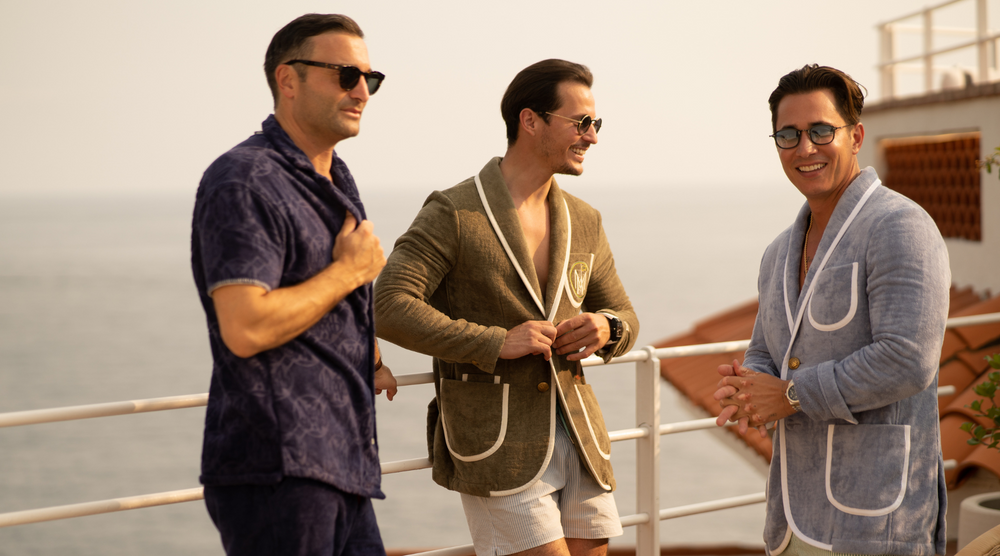
Tailored Terry: 209 Mare’s Take on Functional Elegance
The aesthetic eye shakes hands with functional leisurewear in 209 Mare’s Terry cloth collection of the highest quality blazers and other pieces of resort wear. Founder and creative mastermind, Federico Uribe designed 209 Mare upon noticing the absence of “quality and aesthetic clothing” around his beachside villa. His idea was to combine the sensation of a soft robe on the skin after a day in the sun with the polished look of a blazer – a sophisticated take on a coastal wardrobe. Within a year, 209 Mare elevated the “functional, soft, and durable” French fabric into a sought-after collection.
Repurposing an overlooked material is the motivation behind the company. Federico proudly claims that “the name 209 Mare comes from 20.9, the date on which in 2015 I jumped from the third-floor balcony from a building in Madrid, whilst in the middle of my MBA. I decided to use this experience to change my life and do something bigger than myself. I have repurposed my life”
Terry cloth has an interesting history, from its invention in the Early 1800s. The pre-industrialized French fabric was created by two warp threads, one being left loose to be pulled through a weft. This created a piling texture that proved to be ideal for both water absorption and comfort, but never being recognized for its aesthetic appeal. As a few decades would pass the market began booming for this comfortable fabric, ultimately leading to the production of terry cloth on the industrial scale.
In the 1930s you see the introduction of the French Terry, the lighter-weight brother of terry cloth. This fabric became popular both for its French Riviera style and its versatility in a capsule wardrobe. Terry cloth continues to dominate both the men’s and womenswear markets for its comfort, versatility, and sustainable production.
Like fine wine, French terry cloth “gets better with time”. Uribe found the formula for the highest-end terry cloth on the market. “I love the feel of French Terry,” writes Uribe. “It has drying wires on one side and is brushed and cut on the other side”. The duality of the texture proves excellent for sophisticated leisure from the coast of Monaco to sunny Newport Beach. In one word, Uribe describes the versatility of the style as “flawless”. 209 Mare is for the elegant, well-traveled client – think “1970s Bridgitte Bardot and Steve McQueen or Onassis, back when they were vacationing in Saint Tropez”. 209 Mare is found in the classic wardrobe of the “modern-day gentleman or lady”.
Further impressive is the company’s use of sustainable methods of production to optimize the use of the pieces and increase their quality and value. “All our fabrics are either organic, upcycled, or recyclable. Our packing is done in high-quality dust bags so that it is reusable and all our shipping is carbon neutral. The best way to support sustainability however is by making durable high quality products that last our customers summer after summer. Our motto for our customers is “Buy less, buy better”’. To “buy better” not only means to feel and look better in 209 Mare but also to understand the process of production and purchase quality with confidence.
This current collection has been 18 months in the making. Taking inspiration from the art of David Hockney, his color palette to be precise, as well as from the architecture of Frank Lloyd Wright which inspired the patterns, shapes, and hardware on the collection. 1950s pop art and 1920s Art Deco inspirations is a bold and beautiful combination that mixes two of the most important eras of design. You can see the monogram pattern and how it mixes round and sharp shapes, similar to what FLW used to do in his architecture. This very same monogram can be seen again in metal buttons and all other details. Pair that with Hockney’s Palm Springs-esque color palette and you have one of the most unique fashion collections out there.
Xoxo,
Annie

Out of Style: A Call for the End of Racism in Fast Fashion – Or Both
So you are worried about going out of style. You are worried about not catching a trend on time and missing the latest drop at your favorite brand. You are worried about not being best dressed, so you go make a quick purchase at the cheapest and most promising store. What a relief! It is too easy! This societal habit of disregard is exactly why fast fashion is one of the leading causes of both the environmental and social justice crises.
While our world is progressively moving toward its end, and society is actively initiating efforts to fight climate change and racialism, a large majority of the population has turned a blind eye to one of the largest causes of both “10% of global carbon emissions” and the exploitation of the BIPOC community. The term “environmental racism” has been coined to refer to “environmental injustice [occurring] within a racialized context”. Racialism stretches far further than derogatory terms. It is found in many steps of the chain of fast fashion supply; from textile factories and water systems, to garbage dumps.
If we begin at the start of the supply chain with the dyeing of textiles, there is clear evidence for the ill-treatment of people of color in the mass-producing factories. Not only are they working in unsafe conditions – take the Rana Plaza collapse that killed well over one thousand workers because of illegal construction and lack of funding for management – but they are also part of a chain of unproportional exploitation. Luci Wilden, founder of the Knots & Vibes brand, claims that the brand, Fashion Nova has mass produced his design “with a retail price of $40”. Therefore, their production price is “around $13”, leaving the workers with a salary of “$1 per hour”. It is important to note that these employees are predominantly low income women of color, being exploited in return for the risk that they may not return home from work every day.
Moving down the chain of production, transportation, distribution, and the discarding of these garments, danger is culminating in the air. International waters are being polluted by microplastics, untreated wastewater, and toxic dyes simply through the shipping process. How then, is this water most prominently affecting marginalized communities? This polluting process is filling our earth with toxins dangerous to the human body and environment, and while many communities have the means necessary to filter through this water and clean the air, many marginalized communities do not have the resources to live in this luxury. When these garments are torn, forgotten, or out of style, the most common response is to discard them into the depths of a sea of garbage, filling landfills with “3.8 billion pounds” of clothing every year as if the colored designs are candy dropping from a piñata. Then a fire is lit, smoke fills the air, and lungs are doomed. The catch is, landfills most commonly exist where “public service provision is scarce”, and marginalization directly affects agency. Therefore, methane gas and other dangerous toxins are left to fill the air of the neighborhoods in proximity to these landfills as blind eyes are turned. How is it fair to subject these people-groups to this disadvantage, exploiting their hands and bodies to labor with no reward, simply to purchase a top that will not last more than a few washes? There is a simple answer that absolutely should not need contemplation: it is not fair. Can we go as far as to call this an epidemic, infiltrating these underprivileged communities with an infection of disregard caused by the click of a purchase button?
This is an issue rooted in the fashion industry’s core. The Council of Fashion Designers of America, has a population that includes “less than four percent” of black members. Yet even as members speak up, disproportionate representation remains. Editor-in-Chief of Teen Vogue, Lindsay Peoples Wagner even claims that such disproportions are simply a result of “plain old racism”. “Plain old racism”; let that sink in. After generations of rebellion, strong voices, and liberation the words “plain old racism” are being used to refer to an issue pertaining to something included in the fashion industry.
Still worried about going out of style? Instead, worry about being the instigators of the environmental and social justice crises through the click of a button. Shopping sustainably, doing research on ethical brands, and understanding that shopping second hand will never go out of style. Racism is out of style.
xoxo,
Annie

Fashion and Politics: Gabriella Karefa-Johnson vs Kanye West
History claims that art has been used as political propaganda and the representation of idealizations and beliefs since the beginning of time. Fashion is wearable art. Therefore the use of fashion as a form of speech is far from unethical. It creates room for dialogue, allowing all opinions to be expressed. As political turmoil has increased, so have reactions.
Vogue editor Gabriella Karefa-Johnson recently explained her frustrations and opposition against Kanye West’s Yeezy show during Paris Fashion Week 2022. West debuted a collection of “White Lives Matter” T-shirts in order to make a statement he considered amusing and blatantly obvious. However, it caused mass uproar and confusion from the audience and critics — an almost dystopian occurence.
Karefa-Johnson used a respectful approach to properly navigate such a controversial topic. She began by trying to reason. Perhaps, Karefa-Johnson explained, West may be correct in assuming that in the future, white lives would be endangered due to a complete restructuring of history. This would then require a movement similar to the recent and powerful “Black Lives Matter” movements. She even affirmed his strange “Duchamp” approach to political topics. However, her uncertainty of this theory and her original negative opinions, that the collection was “deeply offensive, violent, and dangerous”, drew ample attention from the media and West himself. Karefa-Johnson’s civil approach ignited a revengeful fire under West.
Kanye West responded with comments directly pointed toward Karefa-Johnson, her appearance, character, and career. Although this approach is common for West, his outrage disturbed the media, drawing attention from model Gigi Hadid, actress Gabrielle Union, and Vogue Editor-in-Chief Anna Wintour — all in support of Karefa-Johnson. The matters were further discussed in a meeting facilitated by Wintour.
The moral of the story is that fashion has indeed proved its potential to influence politics and culture, on and off the red carpet. Dressing politically will always be in trend. It can be dangerous or it can be revolutionary. Both sides deserve to be heard, yet both sides must maintain respect, reason, and take responsibility.
Xoxo,
Annie
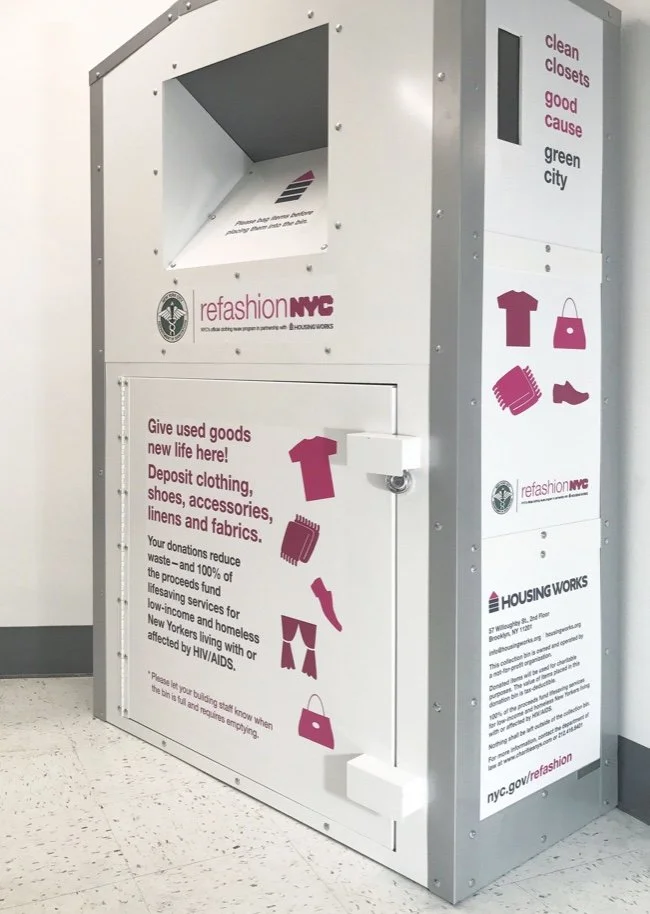
Re-fashion NYC: Making Sustainability Accessible to College Students
I will be the first to say that college is extremely busy and exhausting. Very rarely do I find myself with ample time to lounge, binge my favorite shows, or even make phone calls — all things I once took for granted. As a result, it is difficult to continue sustainable practices once so familiar. However, making the conscious decision to live a sustainable life should not be an object of concern, but rather accessible, convenient, and simple. In other words, it should become the norm.
Upon my initial trip to the laundry room at Columbia University, I noticed a large bin that resembled a thrift store donation bin. This immediately sparked interest and delight in me. Written on the bin were the words Re-fashionNYC, and a description of the company’s mission. Re-fashionNYC is the official clothing reuse program in NYC, breaking down doors in countless buildings, universities, and offices. Columbia University alone houses Re-fashionNYC bins in 18 residential buildings.
Re-fashionNYC offers bins to locations that apply in order to make sustainability accessible to those who live in the city that never sleeps. How perfect! The process could not be more convenient. Simply drop off materials and textiles — clothing, blankets, hats, belts, bags, etc. — and voila! Your work is done. Re-fashionNYC is a valid answer to objections of sustainability.
Thank you to Columbia University and participating businesses who are consciously deciding to provide sustainable options. We now have the ability to reduce the 195,000 tons of clothing waste in NYC alone to 0.
Xoxo,
Annie

New York Fashion Week 2022
It has been a crazyyyy few months since I last updated this blog, but I cannot wait to spill all the juicy details. I will begin with a quick recap. In August I packed my bags and moved to New York City for college at Columbia University, and have been on the move ever since. I truly love the city and all the amazing people I have met so far.
The highlight of my time here was by far NYFW. I had the amazing opportunity to attend a few shows, with designers ranging from rookies to veterans. Each designer showcased cohesive magic that I am here to dissect and discuss.
I would not consider myself to be an advocate for trends, yet NYFW Fall/Winter 2022 was an incredible representation of the interconnectedness and network of designers, and how classic pieces can be modernized.

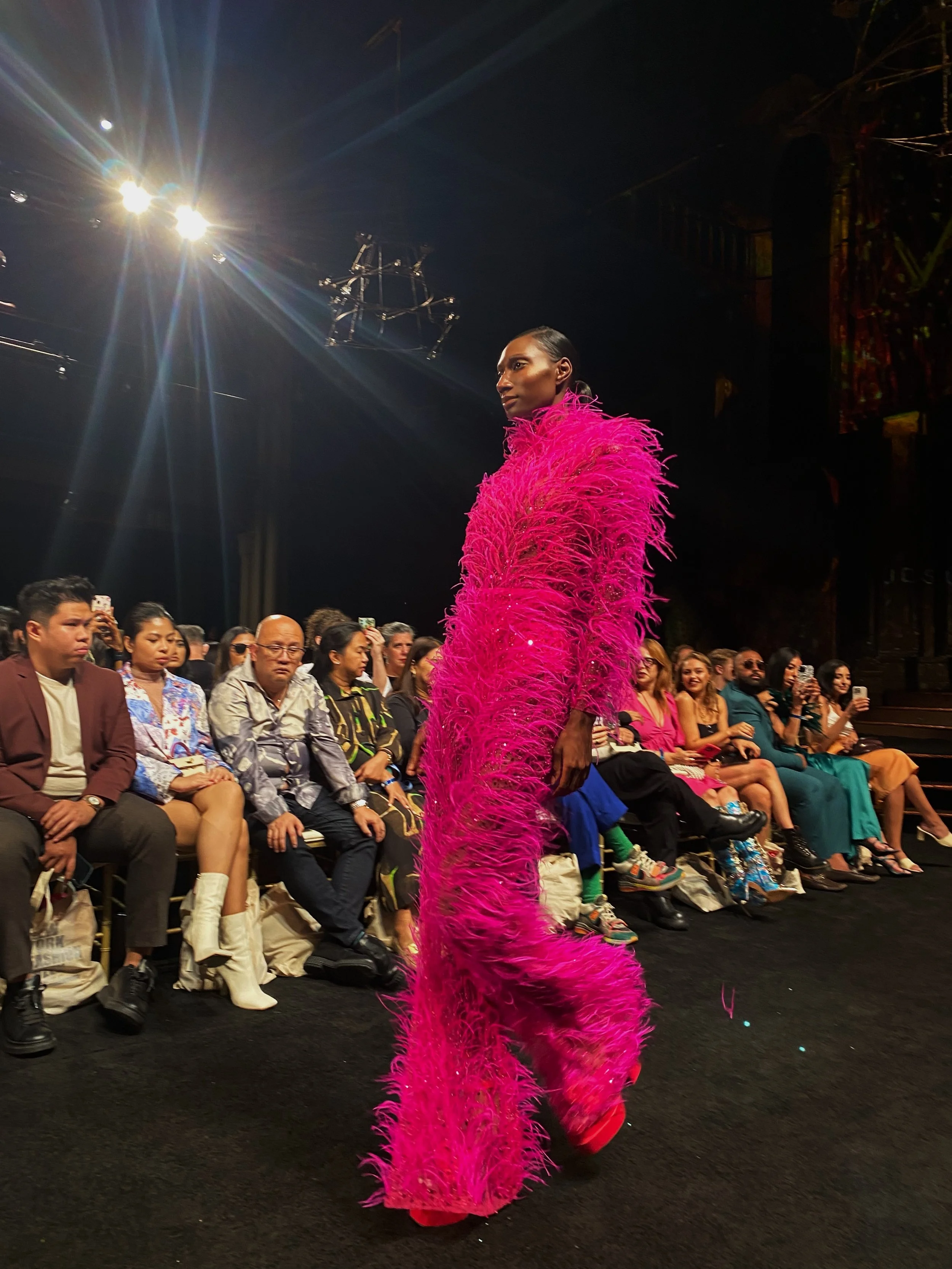
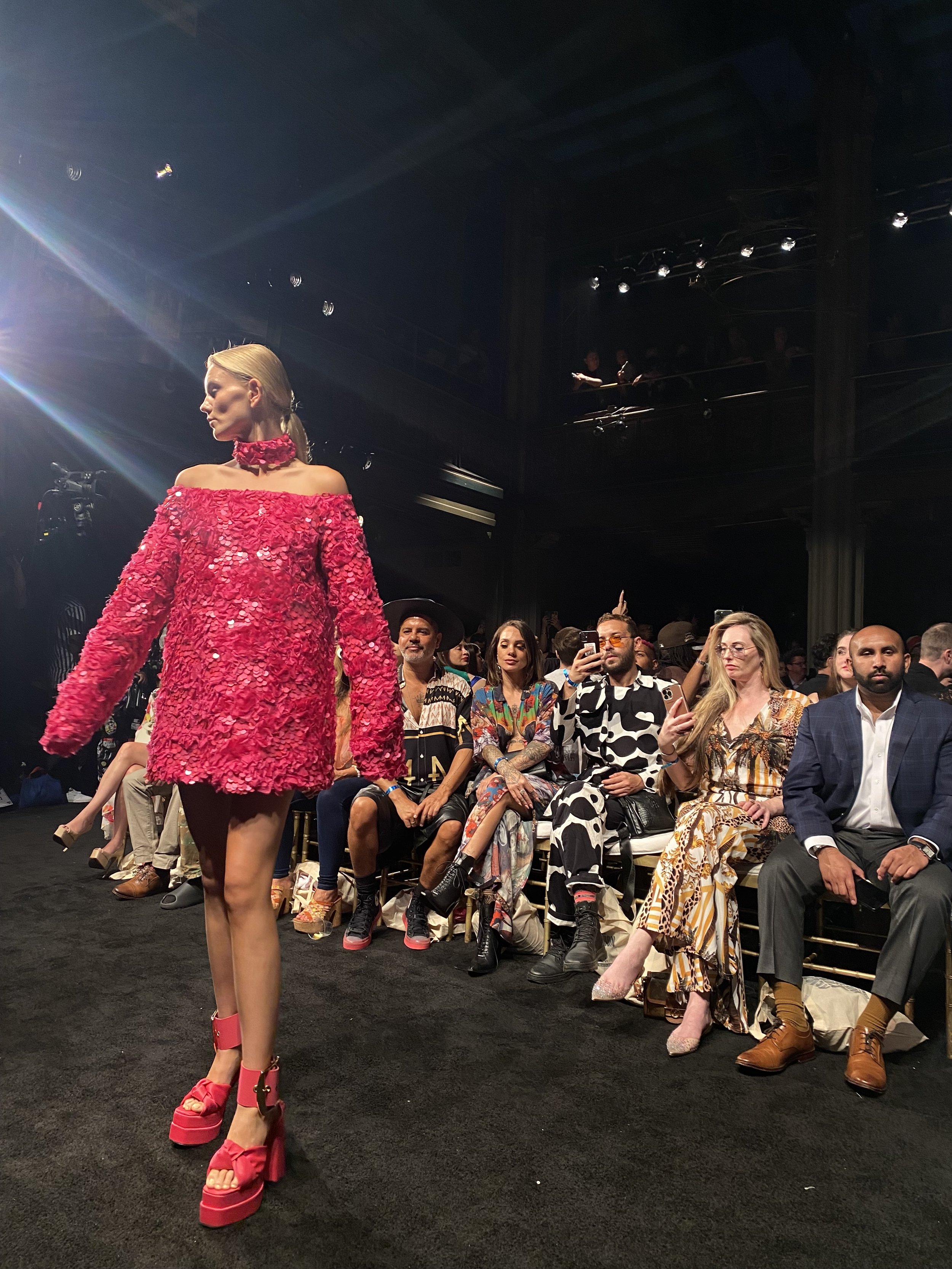
So let’s talk sequins, bright hues, and feathers. Every single show included some form of these three elements. Like a weather forecaster, I could have predicted this trend from a mile away. I knew it was coming before I even stepped foot into any of the venues, simply from observing the outfits in line. This year has developed personality in designers unlike ever seen before. Bright, bold, and daring creations emerged one after another like rainforest birds.
House of Mua Mua embroidered sequins in intricate patterns straight onto bold prints for their “The Real Housewives of Fashion” show. My eyes were confused in a beautiful way as each model floated down the runway — their attitudes matching the pieces they were flaunting. Mua Mua brought the bling out.


In Jesus De La Garsa’s “Paradise” show, the young designer transported the audience to an island where majestic birdlike pieces dropped jaws. I feathers moved so gracefully and the colors complemented each other as they appeared one after another, individually interesting yet so cohesive. Paired with the layers of feathers were metallic boots which fashion fanatics flaunted fabulously. Garsa’s designs were further showcased in Vogue Magazine, adorned by icon, Coco Rocha. Young Annie would have simply passed out at this collection.

DUST OF GODS. Talk about sustainability in the world of fashion. I knew there was a reason I loved designer, Antonio Tadrissi. If you have read my articles, you know that I believe that fashion is wearable art and one-of-a-kind. Whenever I find a designer who makes this magic happen, I will sit front row through it all. Each piece Tadrissi created was unique, wearable, and true art. Best of all, the materials were all hand-picked from local markets and warehouses in order to give them a second chance at greatness. From patchwork to re-done denim, this show contained all the beauty of up cycled fashion.


Thank you to Moyal Enterprises and NYFW for this amazing experience!
xoxo,
Annie
ESPYS Week
My introduction to ESPYS Week can be compared to a small mouse getting thrown into a den of lions. Yet somehow, it was amazing! Thanks to my amazing agent and team, I had the opportunity to attend a few incredible events, meet some new friends, athletes, and get some content for you guys!
Day one included an event with GoatsLegends where I was able to support business and try out some incredible products.
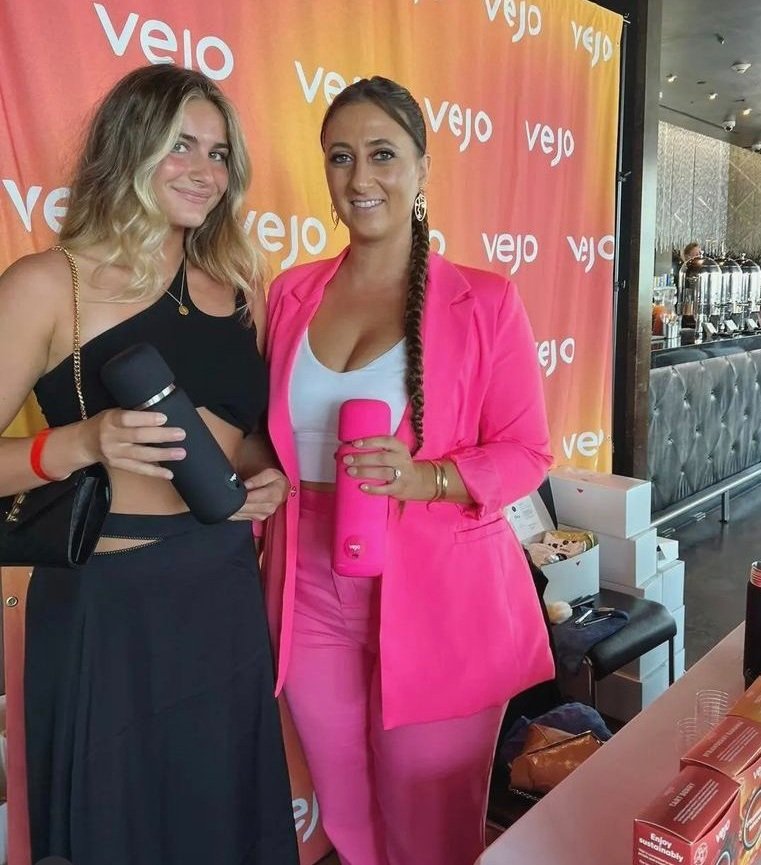
Let’s just say I am obsessed with Vejo. These portable blenders are a must-have for athletes or busy people in general! The flavors are delicious, eco-friendly, and so affordable.
MVMI sleep saved me during this week! Their pillows were created in order to provide athletes with better and more restful sleep in order to improve performance. I am going to be using their pillows as I move into college in order to guarantee a good night’s sleep every night.
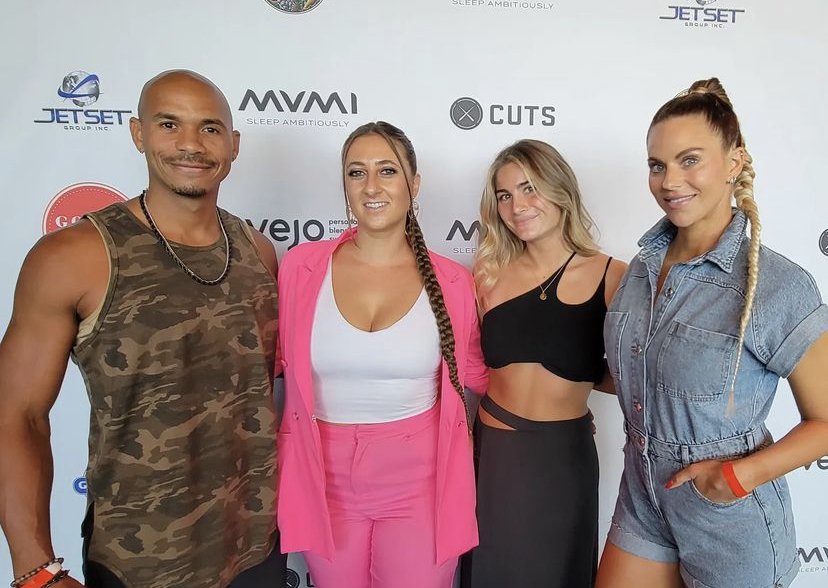
More brands include Liquid IV, Cuts, Champion, Coola, ISClinical, Tiesta Tea, Adapt Super Water, and Garden of Life.
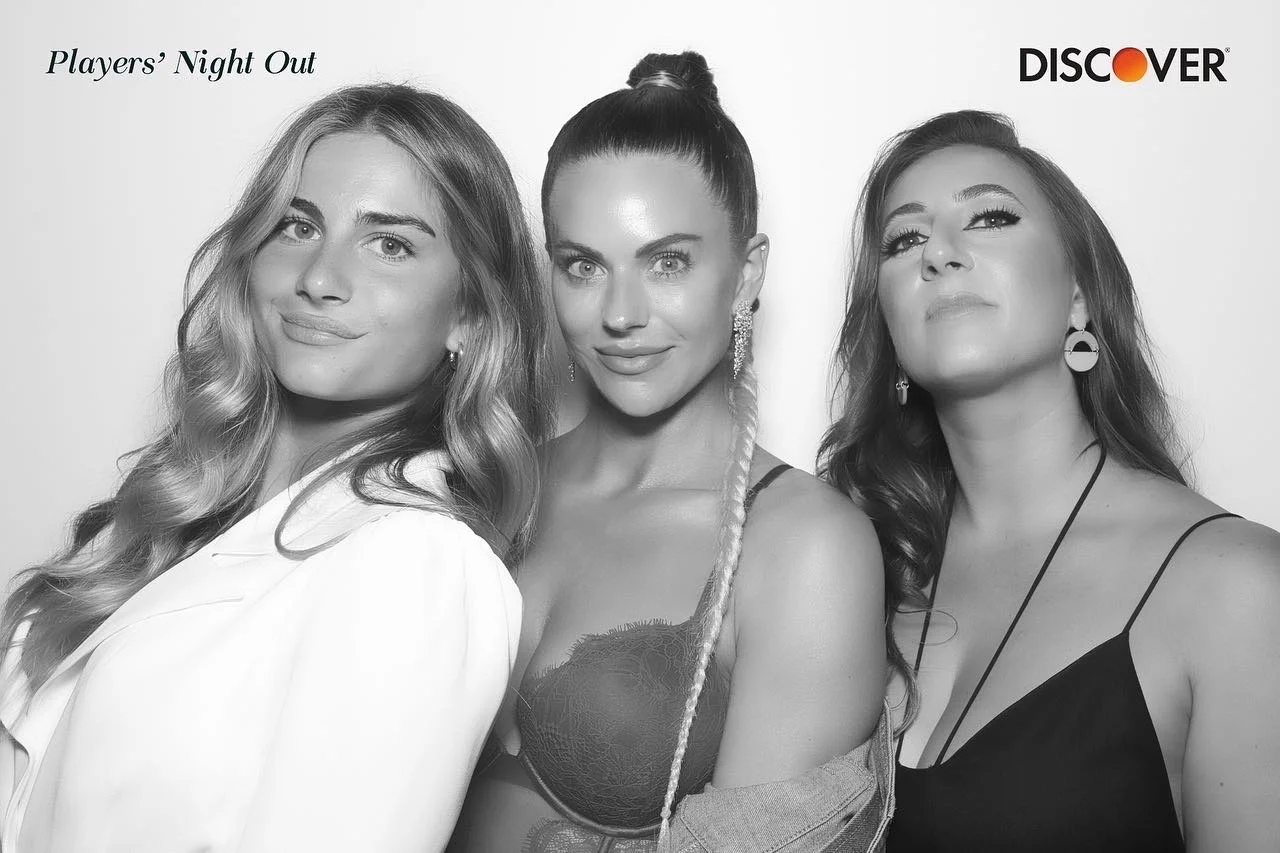
The following night I fangirled at the Player’s Night Out, wearing a Lovers and Friends Blazer Dress from Revolve. Thanks to Derek Jeter and The Player’s Tribune, we had the best night meeting some of the greatest athletes and watching the LA skyline.
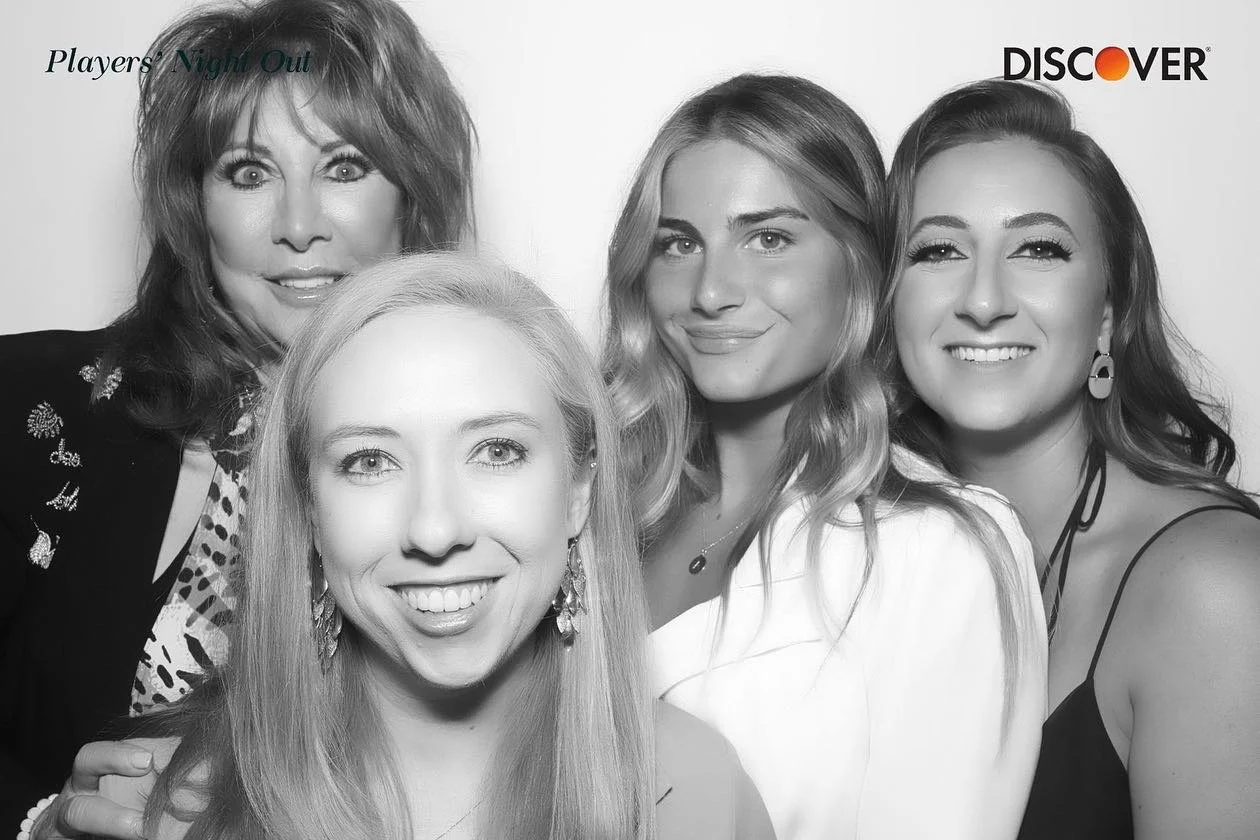

My first ever ESPYS week was incredible and I cannot thank everyone involved enough for giving me the opportunity!
xoxo,
Annie
What to Expect at the 2022 Met Gala
The Met Gala has never fallen short of drama, extravagance, reinvention, and innovation. However, I truly believe that this will be a year of the prosperity of fashion in its most refined form: gilded glamour.
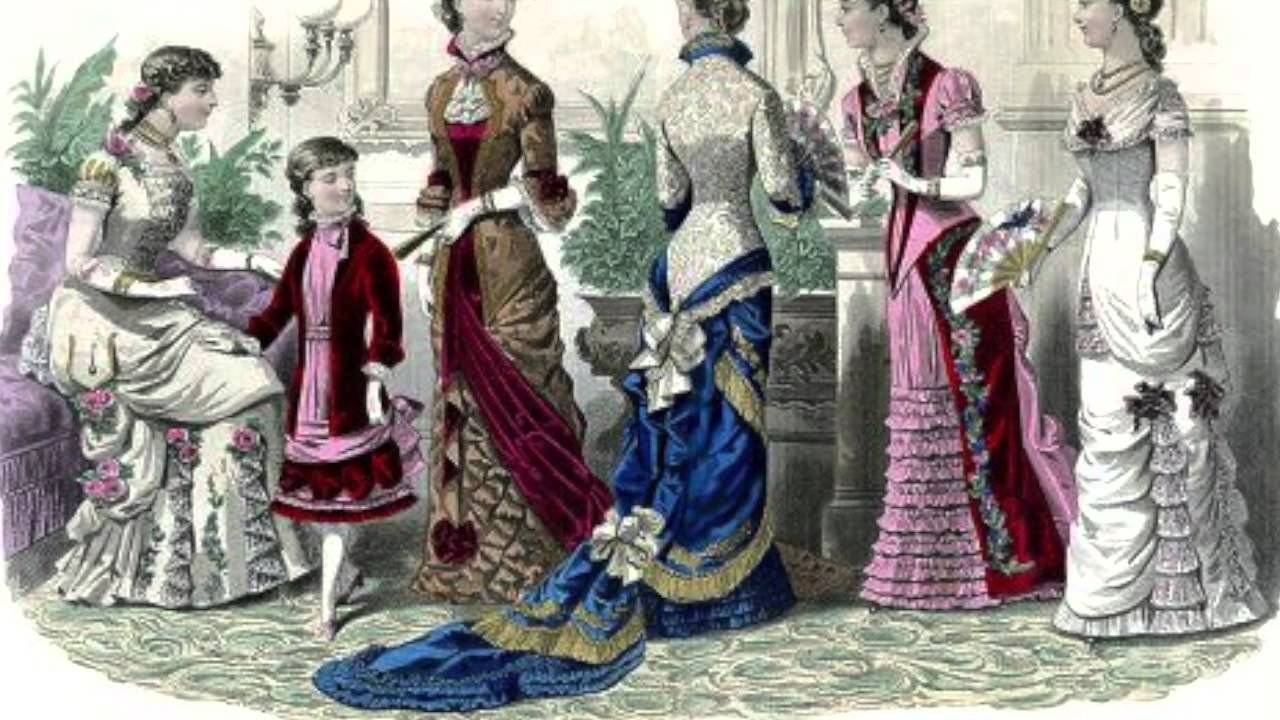
I shamelessly squealed when the theme of this years mat gala was released. Although receiving an invitation of my own is not quite realistic yet, I delight in living vicariously through those who opened the invitation, in all its grandeur, and read the fine print at the bottom revealing the theme: “In America: An Anthology of Fashion”. I believe there will be many interpretations of the theme — as expected — yet a major showing of the prosperity, cultural revolutions, and industrialization of Gilded Age New York. During this period, not only did the world seemingly develop overnight, but so did fashion. Think Age of Innocence or The Social Graces. I imagine ruffles, silk, velvet, lace, soft shimmery jewel tones, and bountiful accessories.
Why an “Anthology of Fashion”? Shortly after the Gilded Age, Vogue was founded. Fabric production during this period was advanced and a magazine was created to document the development of fashion through the 1800s and for the rest of time. At this Gala I expect a collection of what was displayed in that first magazine yet modernized by McQueen, Dior, Laport, Dundas, Dolce and Gabbana, Gucci, Guo Pei, and Giambasttista Valli. I predict a Bridgeton style ball adorned with heavy and precious metals, wet drapery techniques, and maximal accessories. The bigger the better in dresses, ruffles, and hair represents America is its rawest form.
Addressing individual guests and their designers, I would love to see Anna Wintour as the “Queen” of the Gala, wearing Oscar de la Renta with elements of Lagerfeld as a tribute, yet shifting away from the matronly patterns and shocking the world in royal tones and an unusually conducted gown. Wintour drops jaws with cohesive, sleek, and timeless looks, yet I was to see innovation from the host herself.
If America was a brand, Calvin Klein, Tom Ford, and Ralph Lauren would have full reign. Think Kate Moss, Brooke Shields, denim, horse ranches, and old money. How fabulous would it be to see a play on Gilded Age glamour, modernized and developed through each decade. The materials are all cohesive — silk, satin, lace. All we need is the designers to execute. This is the perfect opportunity for a Neoclassical spin one higher Anthology of Fashion that we all need to see.
Honorable mentions go to mixed metals, using hair as the accessory of the night, and the Beiber’s first Met Gala together. I also expect Guo Pei’s construction and color scheme to display a diverse yet perfectly fitting interpretation of the theme.
It’s almost time for the best day of the year and the anticipation is killing me! More later!
xoxo,
Annie

Capsule Wardrobes: A Study of Timeless Trends
I love the juxtaposition of the phrase “timeless trends”. Their definitions contradict their core meanings in the perfect way. To be timeless requires something to transcend time. Trends oscillate like great waves of public opinion. Therefore, there are few things as powerful timeless trends.
The final step of our sustainable fashion journey requires dedication. It requires a willingness to sort and sift through piles of trending items to find the one that rings the bells of timelessness. However, I can promise a reward that will last a lifetime and many more: a lifelong wardrobe. So what are capsule wardrobes? Capsule wardrobes were first coined the term in the 1940s to describe a small but mighty collection of clothing that is cohesive, quality, and versatile, ultimately eliminating the need to give into trends and purchase new clothing as often. Creating these wardrobes decreases the chances of buying useless pieces and erases the phrase “I have nothing to wear” from one’s vocabulary.
In creating a capsule wardrobe, you want to focus on only keeping and purchasing pieces that can be mixed and matched, are of high quality, are versatile, and make you feel confident. What is the point of keeping one-time-wear pisces that do not match, tear, and are uncomfortable? Start by going through your closet and picking everything that you love. Make a maybe pile, sift through that making wise decisions, and donate everything else. This will leave the perfect base for you to evaluate your personal style and add on to what is existing as the years progress.
To create a starter wardrobe, here are a few pieces, all from Aritzia, that are must-haves as building blocks for the future: white t-shirt, black long sleeve, solid-colored crewneck, white button-up, sleek going-out tops, wool sweater, blazer, trench-coat, slip dress, leather, denim, and trouser pants, versatile bag, white sneakers, loafers, and a pair of sunglasses.
Style-icons such as Matilda Djerf in her oversized power suits and Swedish summer aesthetic, and Claire Rose Cliteur in her ballet slippers and French mysterious girl aesthetic radiate timelessness while expressing their personal styles. Xenia Adonts also has capsule wardrobes in a chokehold, styling designer basics as the ultimate cool girl.
By actually buying into capsule wardrobes, you are not only making your life easier, but the world greener. Fast fashion retailers will gradually be put out of business and thrift stores will explode with donations. Sustainable brands will adapt and create clothing with their eco-friendly materials that fits perfectly on the body and in our closets. Sustainable fashion does not have to be boring. There are ways to express your inner style with a unique capsule wardrobe. However, the best things in life are often the simplest ones, and by taking this step, our closets are becoming cleaner and greener.
xoxo,
Annie

Ethically Appetizing Apparel: Who Should We Buy From?
From material breakdown to ethics of the industry, the fast fashion market has blind sided consumers, camouflaging its destructive tendencies with beautiful colors and trend radar. If you have been following my series of articles regarding sustainable fashion and how to erase the carbon footprint through ending the cycle of fast fashion, you now possess all possible knowledge about going green. The next step is to become familiar with the most popular and emerging brands that are revolutionizing the sustainable fashion industry. These creative masterminds are providing hope for style conscious consumers and connoisseurs, just like you and me!
I will say it once and I will say it a hundred times: Réalisation Par. The feminine French soul of mine is obsessed with every single piece they have to offer. Their clothing is made from biodegradable silk which is not vegan but it is extremely high quality. Therefore, you are paying for endless wear. Their capsule pieces are timeless and their versatile designs embrace classic individuality and expression, all while benefiting the planet.
Up next is the woman, the myth, the legend, Matilda Djerf’s Djerf Avenue. Pinterest superstar and minimalist fashion icon Matilda Djerf, created her own clothing brand inspired by a Swedish, timeless, laid-back style. The company produces these ready-to-wear items in Portugal, guaranteeing “quality workmanship, respecting working conditions, and premium fabrics research” (Djerfavenue.com). Djerf only uses natural and organic fibers, natural corozo buttons, cotton labels, no plastic, and 100% recyclable materials. What I love about Djerf Avenue is their transparency and sincerity, fully explaining their production process and creating timeless pieces to last a lifetime. Some of the most popular items are the Breezy Shirt, Favorite Pants, and Forever Blazer.
Lacausa Clothing is another brand committed to transparency and ethical clothing manufacturing. Even better, a portion of their proceeds are donated to a new charity every season. Lacausa delivers the California chic look while supporting a low waste design process and taking small steps towards being fully sustainable. Using organic cotton, recycled polyester, no plastic, recyclable mailers, and paper tags Lacausa has devoted themselves to being global citizens of sustainability. Consumers swear by this brand for basics and their internet famous unitards, perfect for a workout-to-brunch look.
I have been shopping at Vitamin A for swimwear since I was very young. But only recently did I start drooling over their ready-to-wear clothing. I mean common! Their motto is literally, “We Believe Style and Sustainability are Inseparable”. Vitamin A uses their own fabrics to make sure what they put out is 100% sustainable. BioSculpt fabric is the first swim fabric made from plant based fiber. EcoLux is made from recycled nylon and uses 77% less water. EcoCotton and EcoLinen use 90% less water and get softer with every wear. Further, their production process is done in one location in California which further reduces their carbon footprint. From the electricity-minimizing lights used in the warehouse to filtered water, Vitamin A is insistent that sustainable clothing is derived from a sustainable workplace. One look at their clothing will make your summer minimalist dreams come true.
Some honorable mentions include: Reformation, Attire the Studio, and Celio Studio. Not only does this list include a collective of individuals actively pursuing change, but it includes people with amazing and timeless style that desire to look good while making the planet feel good. Until next time!
xoxo- Annie

An Advocates Eyes: Addressing Climate Change With Jeff Nesbit
What would you do if I told you that the shirt you are wearing is one of the factors responsible for killing someone? That pit in the bottom of your stomach is completely normal and just the response sensory receptors should signal. It is a response to the fact that most clothing is manufactured by the fast fashion industry which has increased climate change, and killed an average of 300,000 lives every day.
In recent years, talk of climate change has ravaged society and the media creating an ongoing debate on whether or not the phenomenon truly deserves attention. The fast fashion market has become the jack of all trades and a master of disguise. It has convinced it’s audience that the need to update one’s closet for 12 different seasons is imperative, and that expensive and quality clothing is unnecessary. What consumers do not understand is that this scheme forces them to spend more money to replace low quality clothing often, and that the clothing they are wearing has left a dent somewhere in the process — from material sourcing to pollution and degradation of land and nonrenewable resources.
To gain even more insight on this topic, I contacted Jeff Nesbit, an American author and executive director of Climate Nexus. Nesbit is an omniscient force in the area of climate change, having written books such as This is the Way the World Ends, working as the communications director in the White House, and as the Director of Public Affairs for both the NSF and the FDA. I had the privilege of meeting Nesbit at the Harvard Chan C-CHANGE Youth Summit this past summer, and yearned to hear more of his ingenious ideas.
Nesbit began by describing how he has seen the fast fashion market contribute to climate change. He explained how this market contributes to “10% of annual carbon emissions globally”, and uses enough water to “meet the needs of 5 million people”. These statistics are absolutely astonishing simply because the fast fashion industry is so normalized. How can something seemingly so minor cause such a large effect? There are many factors, such as the incineration of clothing in landfills for extra profit. Nesbit addresses the public health effects of the burning of these cheap materials. He claims that these landfills are commonly near “places where people (predominantly poor or communities of color) live”, and that they do not have a large say in their exposure to the “poisonous gasses from burning landfills”. Although technologies to mitigate the effects have been created, slightly hindering the effects will not stop the destruction.
Government has the power to make a positive change by incentivizing responsible, regenerative agriculture. Farming subsidies tend to go to industrial farms producing corn, soy, and wheat.Would shifting that support toward small farms for organic cotton, flax, or humanely raised sheep for wool go a long way toward making regenerative agriculture a viable business and realistic element of the fashion industry of the future? Nesbit emphasized the importance of human influence in his response. We can revolutionize the textile industry and regenerative farming with the power of “consumers demanding sustainable products”. Your voice can help include organic and source products into the clothing industry and show real change.
The cruel labor standards in and out of the US are also major contributing factors to the fast fashion deaths. For example, garment workers in California are still fighting for minimum wage and safety, especially throughout the COVID-19 pandemic. I was curious as to whether additional government policy should be or can be implemented for fair labor standards in the United States? Nesbit explained that “making changes in labor laws in the United States is only part of the equation”, because the United States already values fair labor standards. The key, according to Nesbit, is to target countries where “wages are low”, and “insist that products exported to the U.S. are more sustainable – or they can absorb carbon tariffs to account for some of the damage done”. We live in a country where the government has so much power, but so do we. The government would help in creating policies to prolong fashion trends, instead of promoting new styles and designs continuously throughout the year, but it is up to the consumers to end this trend. Nesbit outlines a three-step plan for success: “wear clothes longer”, “don’t buy clothes you aren’t really going to wear”, and “tell the fashion industry you don’t want to buy their latest trends”. If we encourage and reward sustainability, sustainability will reward our planet.
Well would you look at that! Turns out green is this season's color! Thanks to people like Jeff Nesbit and those of you making change, we are one step closer to decreasing the fast fashion footprint and making green the most timeless color.
Thank you Jeff for helping me with this project and look forward to following in your footsteps!
xoxo- Annie

Violet Visions Thrift - Sustainability in the Community
My mission for OhSoAnnie and the Fashion4theFuture Initiative is to inspire sustainable fashion in the closets of Generation Z. However, this time I have been inspired by someone else. Maya Clausman and Ellie Tolan, two young entrepreneurs, decided to design their own form of producing sustainable options in the community by creating Violet Visions Thrift.
I reached out to Maya to gain some insight on Violet Visions and provide you guys with inspiration to make change too! Violet Visions Thrift is a consignment pop-up store that restocks once every month. Maya and Ellie decided to create their brand during a thrift trip to San Diego where they found themselves neck deep in amazing finds and wanted to develop their closets while sharing the wealth. Clausman shared that their mission is to help both boys and girls find “affordable and reusable pieces that won’t go to waste on the earth”. What better way to inspire a community than to provide literal evidence of how easy sustainable shopping can be! She also shares that “sustainability is the best way to go” because buying a “quality piece that won’t fall apart before you even get the chance to wear it” is worth the switch. The fast fashion market has convinced it’s audience that the need to update one’s closet for 12 different seasons is imperative, and that expensive and quality clothing is unnecessary. However, clothing from Forever 21, H&M, and Zara is low quality and forces consumers to buy triple the clothing necessary, ultimately increasing the carbon footprint. Vintage clothes were made using timeless techniques and materials, which according to Clausman, “proves their longevity”.
Upon entering the make-shift boutique, one can find piles of pieces inspired by Ed Hardy, Abby Lee Kershaw, and Drew Barrymore. The pieces are handpicked and tagged with insanely low prices as well! From baby dresses, tees, and boots, to bags, overalls, skirts, and knits, Violet Visions Thrift has it all! Ultimately, their goals include creating a website, providing a larger men’s selection, and increasing their following. Both Maya and Ellie have a passion for style and erasing the carbon footprint, and desire to inspire their friends!
I love seeing change in the community and looks forward to seeing Violet Visions Thrift grow exponentially! Don’t forget to follow them on Instagram and your eyes peeled for next month’s drop!
xoxo-
Annie