
Fall/Winter 2021 Fashion Month
It is a national holiday. It is everyone’s favorite time of the year. Is it Christmas? Nope. It’s fashion month!
This year, we kicked off Fall/Winter 2021 with a tribute to global fashion from past generations; where neon, pops of bold and bright colors, and texture are rethought into an array of eye-catching statement pieces for everyday use. I love nothing more than a bold, timeless look that will knock some sense into summer florals and fall neutrals. I have something to admit: I am so bored of being bored. Between quarantine and matching sweat sets there has been such a lack of excitement in the past few years. So, even if you think that some of the looks from this month were borderline tacky or too bold, you cannot tell me that you were bored for even a minute.
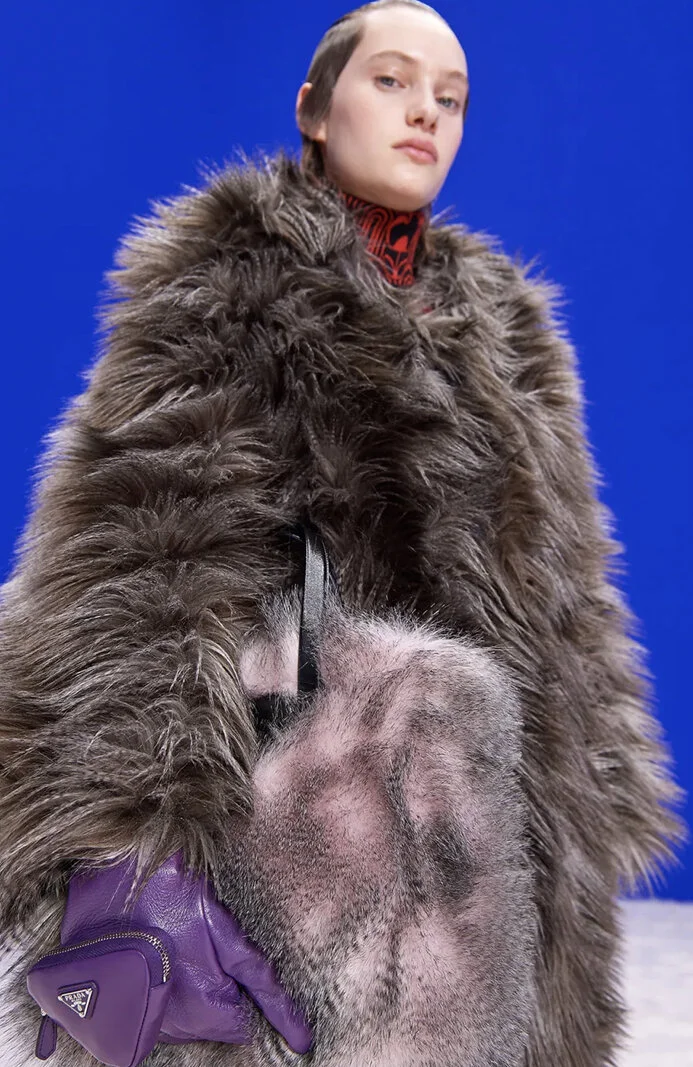
Texture was the name of the game this season. The sudden switch from bland to feathers, tulle, and faux fur is everything to me. Elie Saab illustrated a refined feather technique with his pastel rendition in Paris. Givenchy, Balenciaga, and Prada channeled their inner bear that looked so realistic and had a modern take on surviving the New York winters.
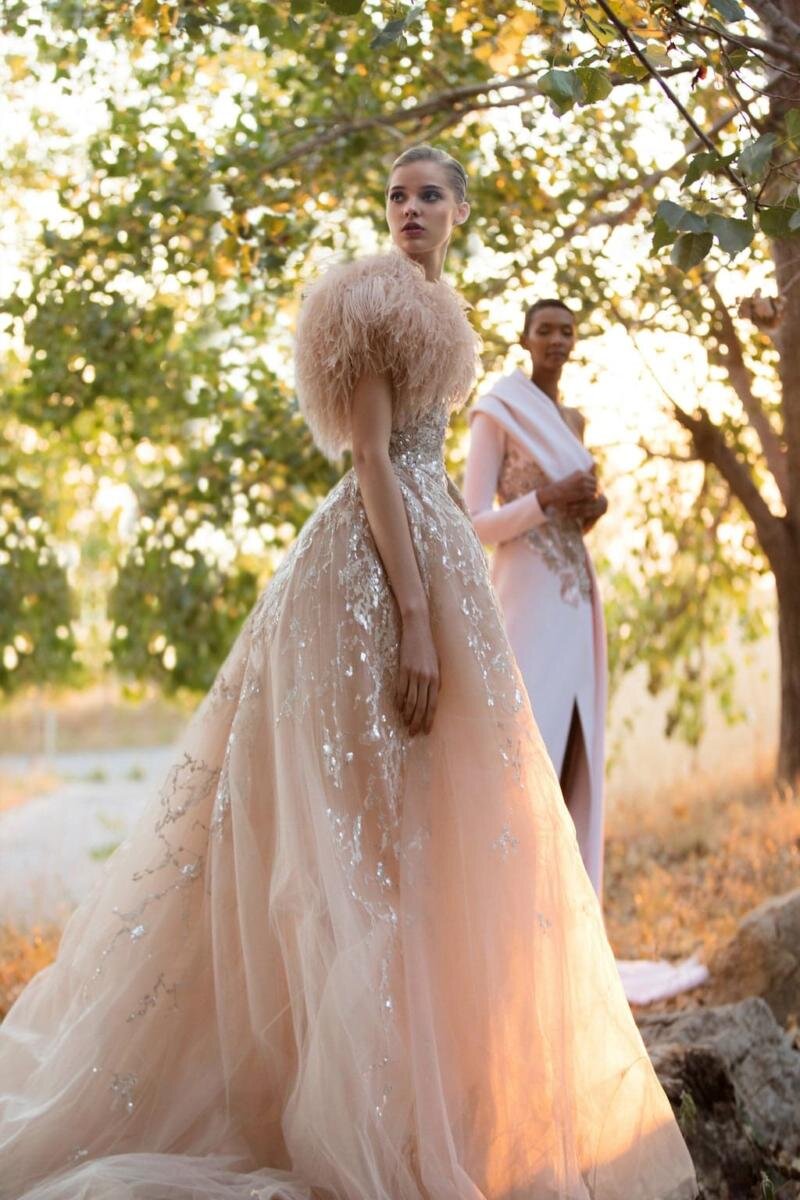
Even puffy dresses were prominent as seen in Molly Goddard’s collection of layered, tulle pieces that are my current obsession. Put me in a bright colored tulle gown and I will act as though I am a cottage-core princess on her way to meet the queen. No actually, I will act as the queen. Nicholas Ghesquière for Louis Vuitton and others took a more literal interpretation of these larger than life dresses, bringing back the bubble shape as a metaphor for social distancing to avoid getting sick. These puffy silhouettes elongate the legs and accentuate all things beautiful.


I also saw a huge increase in the saturation of colors on high fashion runways. The bright colors seen in Prabal Gurung and Claudia Li bring out the beautiful shades of swanky green, bubblegum pink and perhaps the most iconic color in fashion history: cerulean blue. Do these colors cross the tacky line? It is up to you. All I see are solid depictions of what the fashion industry needs during such a blah season.


From sweater dresses and chunky knits to debut on the city streets, to chalet style coats and quilted jumpsuits for on and off the slopes, designers took fall/winter quite literally. Now that it is finally becoming acceptable to vacation, there will be plenty of ways to wear the runway even in the downpour of snow. Chanel released a quilted jumpsuit demonstrating the brands timeless response to Moncler, North Face, and Prada’s coat phase. This piece makes me want to buy a one-way ticket to Aspen where I can flaunt my après ski attire. Even Casablanca’s collaboration with CURVYcon and Dior’s drop are preparing their buyers for the snow storm I like to call ice. Even Mui Mui, the leading slope style atelier, demonstrated their effortless layering techniques with skiwear over silk. Bring on the moon boots, ear muffs, and coats — yes I know it is seventy degrees in LA.


I am so pleased with what I saw down the runway this season. The designers did indeed create pieces that are able to withstand the pressures of the rest of 2021. Between Bettina Vermillion’s loud thigh highs, ALYX’s flashbacks, and the Alber Elba tribute show created the most magical moments that broke up the silence of this year.
xoxo-
annie
The Italy Project — One Small Step for Man, One Giant Leap for Mankind
Unification of Great Minds

Stella McCarney releases recycled cashmere
How is it that humanity is still divided? After all, humans have endured hardship, seen others fall, achieved the unthinkable, and developed over two thousand years. One would assume that by now, we would unite into over seven billion hearts dedicated to each other and heads dedicated to innovation, ultimately forming unbreakable bonds between individuals with nothing in common except the ground they tread on. Luckily all of humanity has one thing in common: we want to not only live but thrive on this planet. How do we achieve this goal? We take care of our bodies and our world. After all, a better future relies on better communication and connectivity.
A new word — better yet an idea — has emerged and converted countless minds. The idea of transparency is rather simple: consumers want to know where their items are from and how they were created. Surprisingly, so many manufacturers and companies still refuse to disclose this vital information. But thanks to movements such as the Italy Project and Fashion Pact, transparency is emerging victoriously.
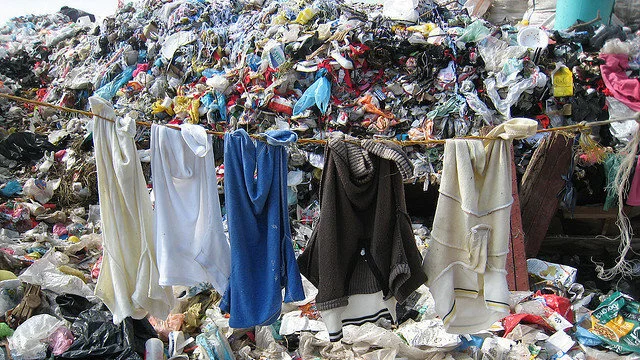
According to the Global Fashion Agenda, the apparel industry will grow by 81% by 2039. This growth will also increase the carbon emissions (currently around 8%) directly. Since our planet cannot handle this skyrocket in emissions, brands such as Stella McCartney, Burberry, and Kering formed a coalition to “establish a platform for manufacturers to coordinate, fund, and scale environmental programs with measurable impact”, abiding with the requirements of the Apparel Impact Institute. Creating sustainable energy, using water, and innovative technologies will chip away at fast fashion’s footprint. Stella McCartney released a line of recycled cashmere, Burberry’s camping screamed circularity by donating material to fashion students in need, and smaller brands all over the world are following in the role model’s footsteps. By initially decarbonizing the Italian fashion industry, the rest of the world will have no choice but to accept the benefits of the revolution.
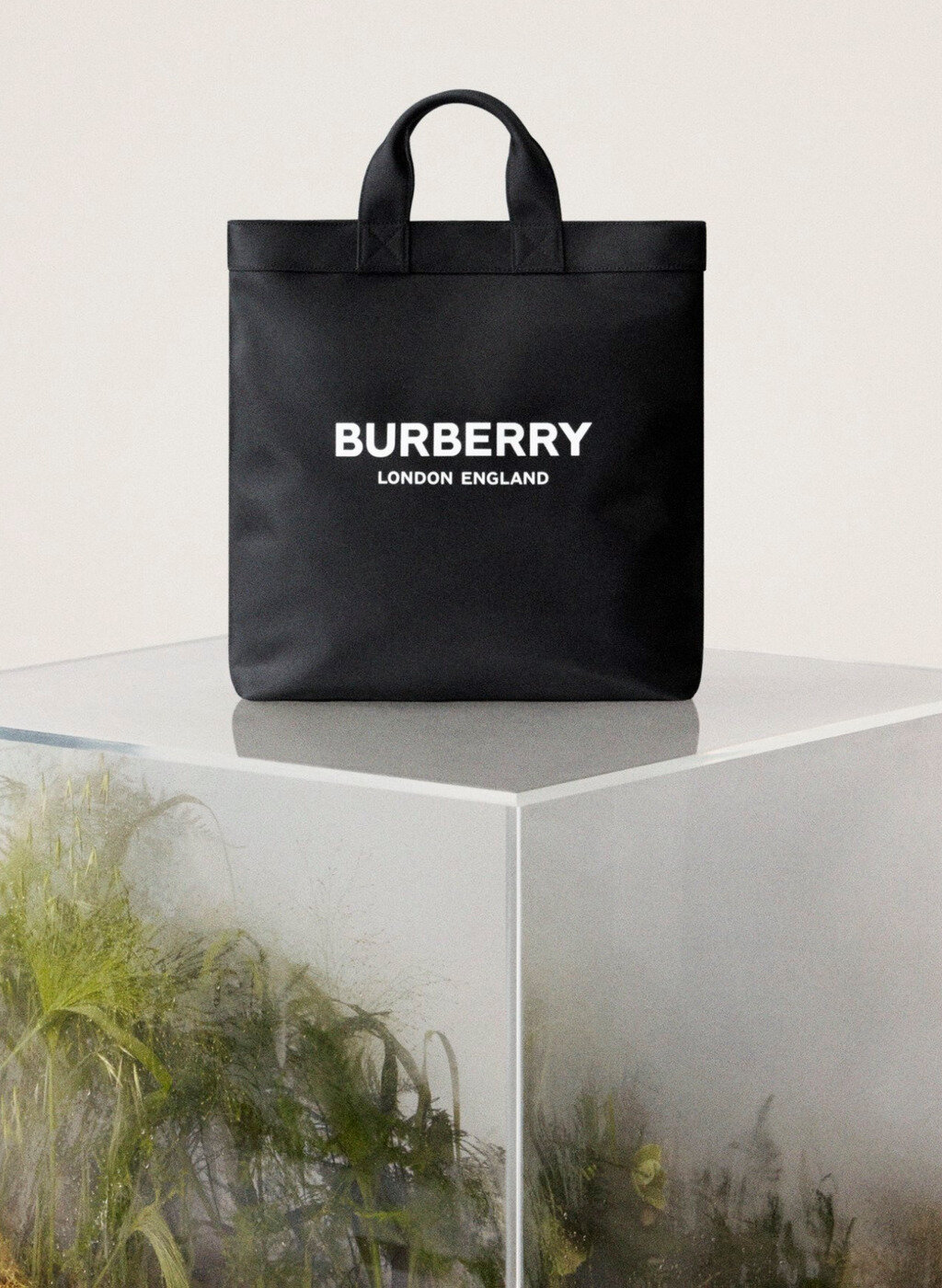
Burberry circular campaign
Although the progress is slow, it has shed light on the severity of fast fashion and its correlation to climate change. Even small movements such as the shift from micro plastics to mushroom leather have ravaged the industry and set off a chain reaction of passionate advocates. The final steps of stopping global warming, restoring biodiversity, protecting the oceans, and changing minds begins with us. How can humanity be divided on such a matter? I know you want to heal the damage that has been done by past generations. Let us rally the efforts, commutation, and connectivity needed to make real change. You just wait and see how fast our world will heal. Let’s make it our own Italy Project, and take one big step for all the fashion fanatics.
xoxo- Annie

Miami
It’s been waiting for you
There is nothing I love more than traveling — especially over the summer. What better way to break the quarantine fast than tanning on the warm sands of your favorite beach, dressing up for dinner, and enjoying brainless relaxation. This summer I traveled quite a bit and got to experience the birth of a new confident and accomplished Annie on the beaches of Miami. I have created a lookbook for my favorite sustainable outfits from my trip!
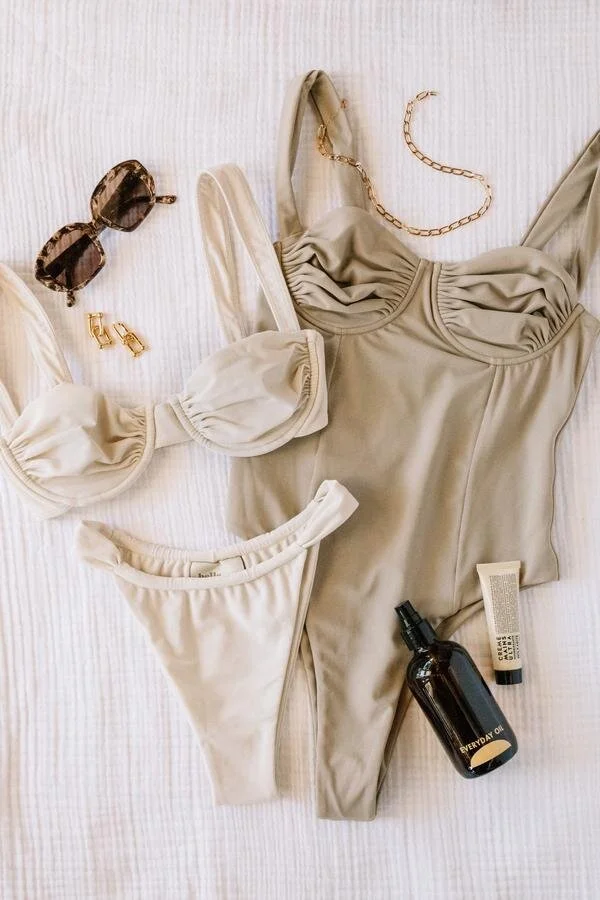
Let’s talk swim. I have to admit high quality, sustainable swimsuits are so extremely expensive and it is so hard to drop a pretty penny on two pieces of fabric. However, a good swimsuit will last you years and if it has the ability to make me look and feel good, then please, take my money! That being said, I wore a combination of cheaper and pricey swim in Miami and am here to give my tips and tricks to finding a great deal, brand, and fit.
I am a huge fan of Belle the Label. They focus on making their products timeless, comfortable, and stylish all at once. If you take a look at their site, you’ll find the most beautifully crafted, yet minimalistic pieces that are attention grabbing yet ethically made.

ONEONE Swimwear
Belle The Label

Sommer Swim, Cool is a Construct, Vitamin A, and OOKIOH, are my other favorites for sustainable swim but they are on the pricier side. However, I live for Depop swim and I swear by the amazing sellers and their honesty. Simply search specific keywords (pink triangle top, green bottoms, designer swim), find a piece you love, and then message the seller about the history of the product. Most sellers are transparent which is so helpful in this process. If the swimsuit is not from a sustainable brand, buying it second-hand is far better than buying it from a fast-fashion retailer.
My favorite dinner look was thrifted from LA and is by the designer Ingwa Melero. Honestly, we all just hit the jackpot with this name. If you search her name on eBay, Poshmark, or Depop, you will turn into that head-turning, ethereal fairy with respect to the environment. It literally cannot get any better than that. Here is one of my favorite Melero finds.
Balzac Paris makes their clothing from a completely biodegradable cellulose fiber called Tencel, and their designs are so effortless yet professional.
We all know and love Reformation, but did you know that they work with non-profits and will actually pay you in-store credit if you switch to solar power and other environmentally friendly practices. Plus they are size inclusive and have everything from bridal wear to swim!
I have so many more name drops and lookbooks of sustainable and stylish brands coming up and I hope you enjoyed this one! Knowing all this made my travel shopping and packing so much easier knowing it was done ethically, and I cannot wait to see all of you in Miami next year wearing your perfect timeless pieces!
xoxo-
annie

Fashion Insider: A Closet At Your Fingertips
Learning how to shop sustainably
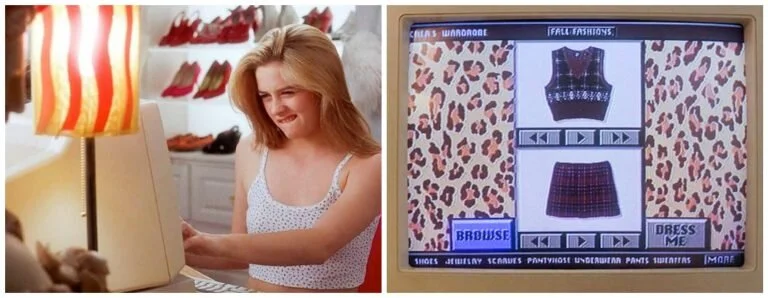
Everyone has seen the iconic montage of Cher Horowitz’s morning routine, and it never fails to disappoint fashion fanatics in a digitally advanced society. In the movie Clueless, a digital closet and personal stylist is made a reality. This idea inspired a new generation of apps dedicated to online shopping, with an emphasis on sustainability. An up-and-coming army of environmentally conscious small businesses, fashion addicted influencers, and normal individuals trying to make a few extra dollars has developed over the past few years and falls nothing short of impressive. Apps such as Depop, Poshmark, Mercari, and even the notorious Ebay have emerged as top competitors in this successful market. What exactly drives their motives, and how have they affected the fast fashion market?
Although there are numerous apps and websites dedicated to the craft of sustainable fashion, Depop comes out on top because of the combination of aesthetic, social aspects, and convenience. The motive behind the app was that it would provide young generations with a convenient way to buy and sell second-hand pieces. It has exponentially grown in popularity because buyers approve of the fact that they are not buying from a company that mass produces clothing. Buyers and sellers are able to contact directly to negotiate, purchasing takes a few seconds, and the clothing selections are all personalized. Selections range from small businesses using the app to gain exposure, to big-name brands and luxury pieces for cheaper prices. Many people have shared concerns about the quality of the clothing and online scams, but Depop, Mercare, eBay, and Poshmark sellers are genuine, real people with a love for the market.
There is such a large variety of clothing on the market to match the personal preferences of every buyer. From athletic wear and professional attire to the newest trends and swim, these apps have it all! These pieces are obtained in a few different ways such as thrift stores, individual closets, and even designer stores. The use of these apps to increase the popularity of obtaining clothing from thrift stores is quite recognizable. Influencers have made a name for stores such as Goodwill and Savers, promoting their products as a way to avoid fast fashion. Straight to the apps they go; either sold as is or upcycled in the most phenomenal ways. Sellers often turn extra-large shirts into the most flattering dresses for their body types or outdated sweaters into modern layering pieces. Small businesses have also exposed their products with an emphasis on sustainability. What makes it even better is that anyone — that’s right, even you —has the ability to post clothes, swimsuits, shoes, and accessories with the touch of a button. Because of the many active members of the online fashion marketplace, every app is filled with the most amazing new and secondhand, sustainable pieces.
Endless benefits have come from this new way of shopping. In a generation of individuals who do not want to overspend on clothing, these apps are perfect! They introduce novices to the world of sustainable fashion, and eco-friendly businesses are able to grow in popularity. A major emphasis is placed on what you can buy with $25 and a love for the environment. Slowly but surely, the fast-fashion footprint is being erased thanks to ordinary individuals who counteract the negative effects of carbon dioxide emission from textile businesses, child labor, and landfills dedicated to cheap clothing. The future is now, and it is our responsibility to use innovations such as technology to better the world we live in — one pair of jeans at a time.

Breaking News: Fashion For the Future. How can I help the environment doing something I love?
What is Sustainability?
Stop where you are! You— yes you! Have you heard of social media’s newest debate? The word fashion has been carelessly spread in two directions: the continuation of fast fashion marketplaces, and the introduction of sustainable fashion. Perhaps the biggest influence on determining what category trends will fall into is social media. Bloggers, Instagram models, magazine editors, fashion students — and your fine self — cab express voices on this topic through multiple easy-to-access sources such as Instagram, Twitter, Pinterest, and Depop. Social media’s debut has proved to be a major factor in social, political, and relational unity. However, the new style vault has opened to sway voters to their preferred side of the argument.
The term “social media influencer” has grown exponentially and professionally throughout the past generations. Influencers coined their title after discovering how simple and accessible a large platform is, and how easily the innocent minds of generation Z are manipulated. Fashion influencers such as Aimee Song, Danielle Bernstein, and Chiara Ferragni are using their platforms to emphasize the value of luxury goods, Haute Couture, and their love for finer things. Many have created brands, including WeWoreWhat and Camile Coelho Collection, consciously avoiding materials and labor processed using cruel labor and disposable materials. Instead, they realize the magnitude of their platform and ultimately dictate what their followers believe. Smaller creators such as aspiring bloggers are using apps such as Instagram and Tiktok to ultimately dress the generation. Barriers between brands and gatekeepers carefully preserving their factories, supply chains are being broken by these generous individuals. Immediate responses for questions from what to wear with what, to where to buy sustainable pieces are answered within minutes on posts or comment sections. Therefore, individuals interested in eco-friendly brands and ending the chain of fast fashion are given accessible information on the topic and are able to make informed decisions.
With the increase in knowledge comes the increase of sustainable brands. Eco-conscious designers are stepping into their roles as leaders in uniting the fashion world under one cause: to decrease the mass production of cheap designer replicas while catering to affordability. Reformation, ThredUP, Levi’s, and Everland have emerged as top competitors in this new market. Lucky and Yak, TALA, and Rens Original have been pushed onto apps such as Tiktok and admired for their use of items such as plastic bottles and coffee grounds to handcraft fashionable pieces. An alternative to thrift shopping and purchasing second hand is consuming pieces from brands like these, who want their buyers to know where and how their clothes were produced, and who focus on cleaning the planet one piece at a time. If you are looking for a higher-end alternative, Vogue released an inside look at the Apparel Impact Institute’s partnership with many high-end brands such as Stella McCartney and Burberry on “The Italy Project”, to establish a positive influence on fast fashion manufacturers, and erase their destructive footprint (Farra, 2021). The increase in intentional change from influencers and brands on social media has quickly begun to decrease the fast fashion market’s influence by almost 30% in 2020.
Sustainable fashion looks promising for future generations. Thanks to environmentally friendly yet stylish designers and individuals with great influence, decreasing the amount of fast fashion consumership is far within our reach. Attitudes towards the new market have also changed as brands have consciously considered the factor of affordability. Now, buyers can purchase long-lasting, quality pieces without worrying about astronomical prices. Soon, the footprint of fast fashion has the potential to be erased, and sustainable fashion will stand as the only option.
Farra, E. (2021, January 22). Stella McCartney, Burberry, and Kering Forge a New Kind of Sustainable Partnership. Retrieved February 08, 2021, from https://www.vogue.com/article/apparel-impact-institute-kering-stella-mccartney-burberry-sustainable-fashion-partnership