Ralph Lauren’s Fourth-Quarter Comeback
Ralph Lauren has historically occupied a paradoxical position in the fashion industry: omnipresent yet oddly peripheral. The brand never really disappeared, but it drifted into forgotten Pinterest boards and end-of-season clearance racks. It was always legible, even beloved, but increasingly spoken of as safe, generational, and “vanilla” rather than fresh and new. Everywhere but nowhere all at once. What has unfolded over the past several seasons is a complete recalibration of authority, as Ralph Lauren has made a perfectly executed comeback of the century, now taking over the internet as the designer for the 2026 Winter Olympics.
To buy into Ralph Lauren is to buy into a better way of life. The world of Ralph Lauren is an aspirational world defined by taste and tradition. It is a world of remodeled estates, worn leather armchairs, crisp white shirts, and candlelit dinner parties. The garments themselves do not promise a total American Dream transformation or immediate status, but they invite you into a world of ease and unashamed confidence. That it is not to say that Ralph Lauren is about becoming someone else, but about momentarily stepping into a world of tradition and taste.
Luxury thrives from a distance. With the pressure of more subbrands, department stores, and collaborations, Ralph Lauren was everywhere except where the luxury consumers wanted to see it. The shift from the craftsmanship valued by Ralph Lauren to the streamlined production tactics of Stefan Larsson did not help. Miniscule, seemingly harmless shortcuts slowly killed the luxury of the brand.
Then came Partice Louvet with surgical incisions. Instead of adding more, he removed. Distribution was tightened to the novel items, excess product was cut away, and the brand was pulled out of most department stores. He curated the store fronts themselves, creating a unique shopping experience of private suits and hospitality-driven customer service. Louvet restored the distance, and with it, desire. By making Ralph Lauren harder to reach, he made it worth reaching for again.
In 2025, the revenue skyrocketed back to $7.1 billion. Ralph Lauren pulled off a luxury reset that the future generations want to follow. The brand is something rather new to Gen Z, but somehow feels so familiar. While this was partially due to the rise of the “Old Money” aesthetic on social media, I believe that our generation needed something traditional, timeless, and stable in a trend-driven and ever-changing world. This is exactly what their marketing budget went to. From the Oak Bluffs collection to MLB style capsules, the brand found ways to become relevant by reminding us why they were cherished in the first place. We found our way back to Ralph Lauren.
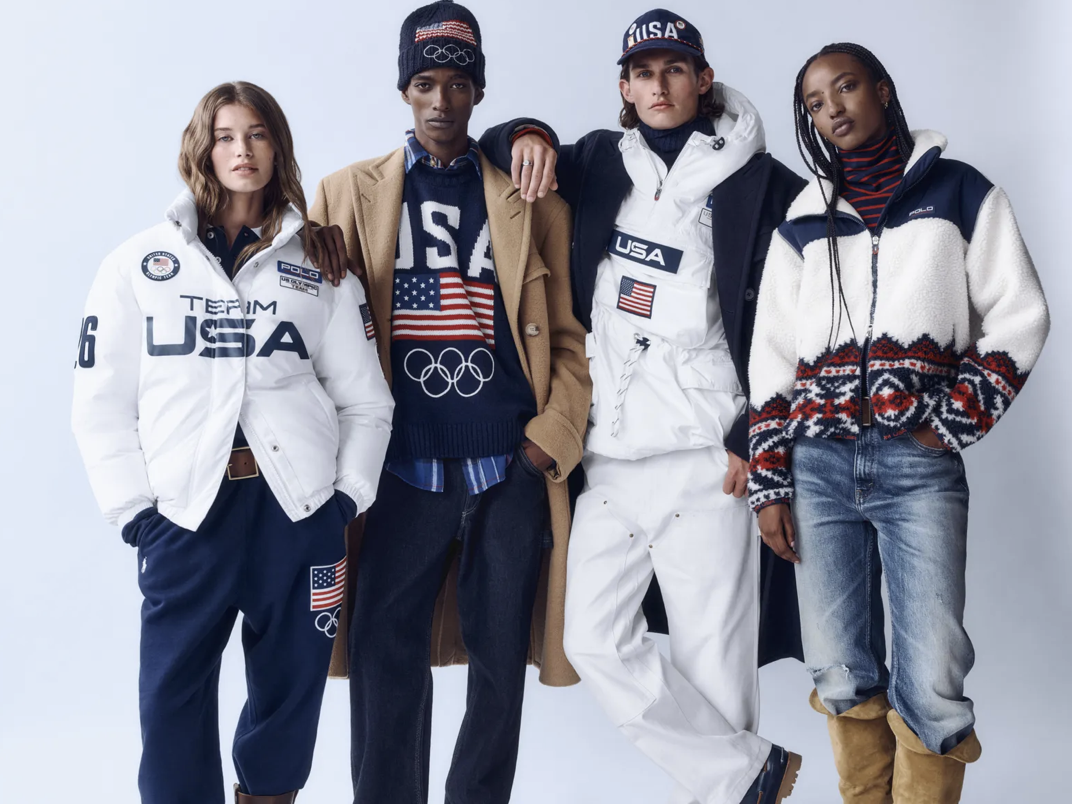
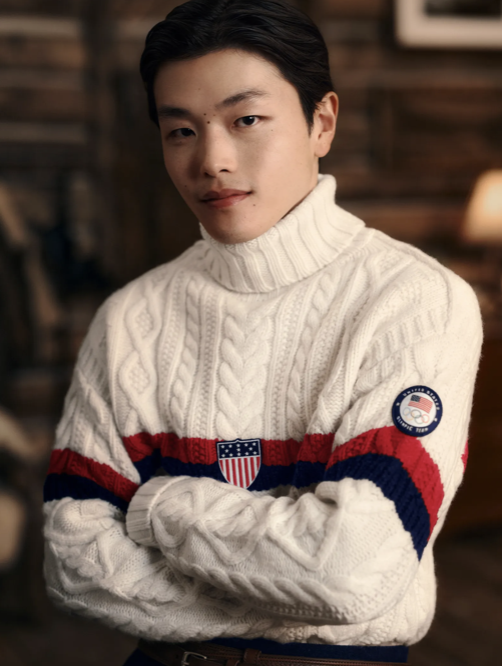
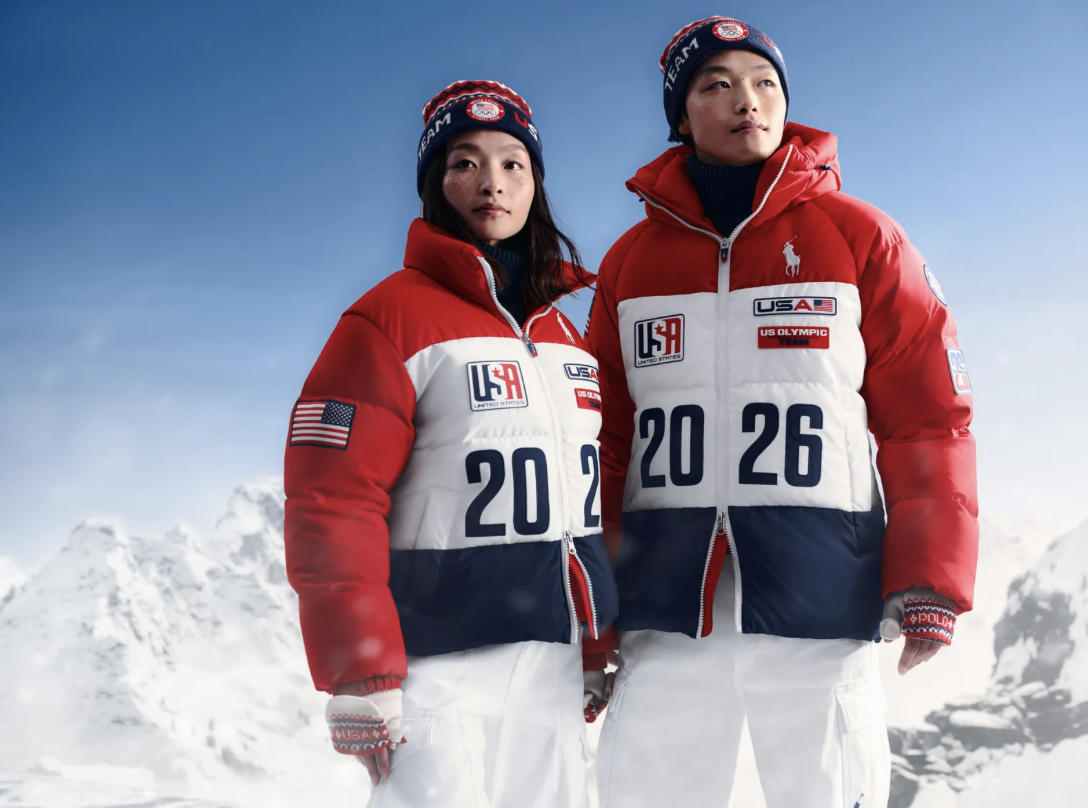
Photos: Courtesy of Ralph Lauren and Vogue.com
With the return of the 2026 Winter Olympics, the world is looking directly at Ralph Lauren. The Olympics are, at their core, an exercise in continuity. Every four years, the world reenacts the same ceremonies, the same symbols, the same fans, the same commitment to greatness. Ralph Lauren as the designer for the U.S. Olympic kit works for this same reason. The collection is staying true to the heritage silhouettes, sculpted yet slouchy knits, tailored outerwear, and a chic palette. These are the types of garments that are frozen in archival photographs, preserved in black-and-white from another era, and untouched by trend or time.
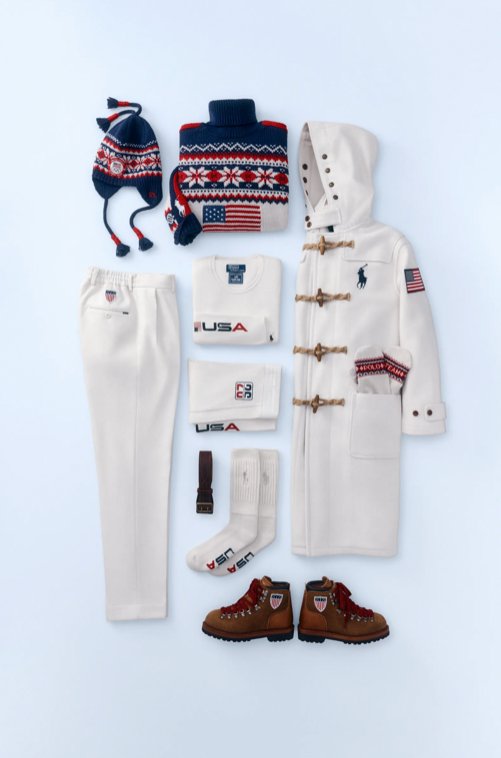
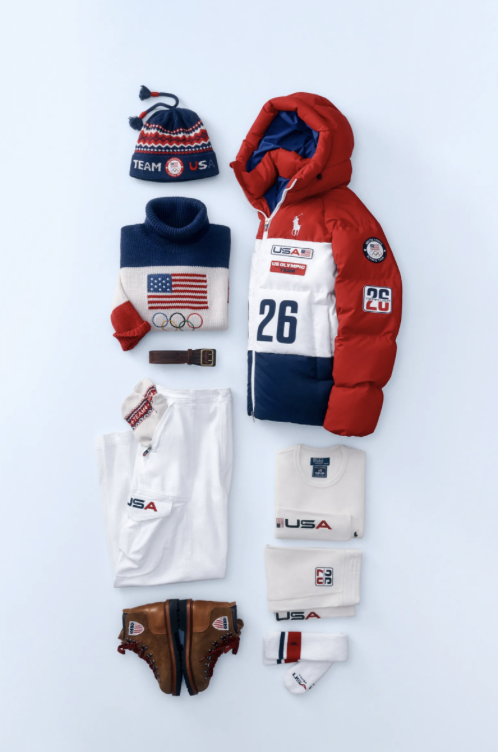
The Olympic collection is a genius marketing tactic to reaffirm the idea that Ralph Lauren has returned with authority, not by dropping something entirely new, but by being recognized as something that you already know and love. A sweater you reach for without thinking. A blazer that holds together like a relic. The kind of clothes your parents saved and you once rejected, only to come back years later, begging for more. Some things are easier to inherit than to reinvent. In a culture absolutely addicted to immediacy, Ralph Lauren offers patience. It is for this reason that this Olympic collection will age better than the moment it debuts.
Xoxo,
Annie